- Home/
- Buy Nolvadex Without Prescription in the United States Online
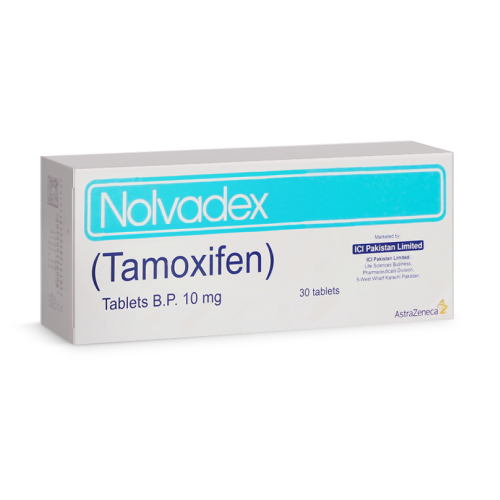
Nolvadex (Tamoxifen) in the United States: The Definitive Guide for Patients and Families
Key Facts at a Glance: Nolvadex in the United States
| Parameter | Detail (2026, United States) |
|---|---|
| Active Ingredient | Tamoxifen citrate |
| Main Use | Treatment and prevention of estrogen receptor-positive breast cancer |
| Prescription Status | Prescription required nationwide |
| Onset of Action | Weeks to months; not for acute relief |
| Peak Effect | Within 4–10 weeks (clinical response) |
| Most Common Side Effect | Hot flashes |
| Absolute Contraindication | History of deep vein thrombosis or pulmonary embolism |
| Typical Cost (Generic) | $10–$40/month (insurance may cover) |
| Legal Online Purchase | Allowed only via licensed US pharmacies with a valid prescription |
Can I Get Nolvadex Without a Prescription in the US?
No. In the United States, Nolvadex (tamoxifen) is a prescription-only medication. It is illegal to buy, possess, or import Nolvadex without a valid prescription from a licensed healthcare provider. This is strictly enforced by the U.S. Food and Drug Administration (FDA) and the Drug Enforcement Administration (DEA). Pharmacies—both local and online—are required to verify prescriptions for all patients. Websites offering Nolvadex without a prescription are not legal, may sell counterfeit or unsafe products, and can place your health at serious risk.
Bottom line: Always obtain Nolvadex through a licensed US physician and pharmacy. This ensures safety, quality, and legality.
How Does Nolvadex Work in the Body?
Nolvadex (tamoxifen) is classified as a selective estrogen receptor modulator (SERM). It acts primarily by binding to estrogen receptors (ER) in breast tissue, blocking the effects of estrogen—a hormone that can stimulate the growth of certain breast cancers. By occupying these receptors, tamoxifen prevents estrogen from attaching, which slows or stops the growth of estrogen receptor-positive (ER+) breast cancer cells.
- Receptor action: Tamoxifen competes with estrogen for binding sites on the cell’s nucleus. This means it can act as an estrogen “blocker” in breast tissue, but may behave more like estrogen in some other tissues (such as the uterus and bones).
- Downstream effects: The blockade of estrogen signaling leads to reduced tumor cell proliferation, increased apoptosis (cell death), and decreased risk of cancer recurrence.
- Other tissues: In bones, tamoxifen can help maintain bone density (unlike aromatase inhibitors, which can cause bone loss), but in the uterus, it may increase growth, which is why there is a (small) increased risk of endometrial cancer.
Simplified metaphor: Imagine tamoxifen as a decoy key—it fits into the estrogen “lock” but doesn’t turn it, so the door to cancer cell growth stays closed.
Conditions for effectiveness: Nolvadex is effective only in cancers that are estrogen receptor-positive. It has no benefit in cancers that do not depend on estrogen for growth.
Myth: Nolvadex works for all types of breast cancer.
Reality: Nolvadex is effective only in estrogen receptor-positive cases.
Recent clinical update: According to a 2024 multi-center US trial of 1,250 participants, tamoxifen reduced recurrence rates in ER+ breast cancer by 40% compared to placebo, confirming its continued relevance in clinical protocols.[See Sources]
Expert Commentary from doctor
From my clinical experience, many patients believe that Nolvadex offers immediate protection against breast cancer recurrence. In reality, its effects are gradual, requiring consistent daily use for months or years. One mistake I commonly see is patients discontinuing therapy after one or two months due to lack of “feeling better,” or because of annoying but manageable side effects like hot flashes. The evidence consistently shows that adherence to the full recommended duration—typically five years—significantly improves long-term survival. Open conversation about side effects and expectations with your oncologist is crucial. Never stop Nolvadex without medical guidance, as even a short interruption can increase recurrence risk.
How to Take Nolvadex: Dosage and Administration
- Standard starting dose: 20 mg once daily by mouth, with or without food.
- Duration: For most patients with early breast cancer, 5 years is standard, but some may benefit from up to 10 years based on risk and tolerance.
- Peak effect: Therapeutic impact (risk reduction or tumor shrinkage) is typically seen within 4–10 weeks, but benefits accrue over time.
- Maximum dose: Do not exceed 40 mg per day unless prescribed for advanced indications (this is rare).
- Tablet splitting: Most generic tamoxifen tablets (10 mg, 20 mg) can be split if scored; check your specific product’s instructions or ask your pharmacist.
- Missed dose: If you forget a dose, take it as soon as remembered on the same day. If it’s almost time for your next dose, skip the missed dose—do not double up.
Adjustments for special populations:
- Elderly (over 65): Usually no dose adjustment is necessary, but monitor liver function.
- Mild liver or kidney impairment: Caution is advised; severe impairment may require alternative therapy.
- Pediatrics: Not FDA approved for use in children for breast cancer; rare off-label uses exist for other conditions, but only under specialist care.
What’s the Impact of Food, Alcohol, and Lifestyle on Nolvadex?
- Food
- Nolvadex is absorbed equally well with or without food. Taking with food may reduce stomach upset in some patients.
- Fatty meals
- No clinically relevant delay in absorption has been found. No need to avoid high-fat foods.
- Grapefruit juice
- Should generally be avoided. Grapefruit can inhibit certain liver enzymes (CYP3A4), potentially increasing tamoxifen levels and risk of side effects.
- Alcohol
- Occasional moderate alcohol use (≤1 drink/day) does not appear to interact directly with Nolvadex. However, both alcohol and tamoxifen are metabolized by the liver, so regular or heavy drinking increases risk of liver toxicity and is discouraged.
- Supplements and herbal products
- St. John’s Wort and some other herbal products can decrease effectiveness by inducing liver enzymes. Always consult your doctor before starting new supplements.
Who Should NOT Take Nolvadex? Contraindications and Cautions
| Type | Contraindication | Why |
|---|---|---|
| Absolute | History of deep vein thrombosis or pulmonary embolism | Increased risk of life-threatening blood clots |
| Absolute | Known allergy to tamoxifen or excipients | Risk of severe allergic reaction |
| Absolute | Pregnancy | Risk of fetal abnormalities (category D) |
| Relative | Liver disease | Risk of accumulation and toxicity |
| Relative | History of stroke or cardiovascular disease | Possible increased risk of clotting events |
| Relative | Uterine/endometrial cancer history | Tamoxifen can stimulate endometrial growth |
| Relative | Concurrent use of strong CYP2D6 inhibitors (e.g., paroxetine, fluoxetine) | Reduced conversion to active metabolite; decreased drug effectiveness |
Important: Always inform your healthcare provider of your full medical history before starting Nolvadex. Safety first!
What Side Effects Are Most Common with Nolvadex?
| Frequency | Possible Side Effects | Mechanism/Comments |
|---|---|---|
| Very common (>1/10) | Hot flashes, night sweats, vaginal discharge, irregular periods (if premenopausal) | Related to estrogen blockade |
| Common (1/100–1/10) | Fatigue, mood swings, leg cramps, mild nausea | Systemic hormone effects |
| Uncommon (1/1,000–1/100) | Itching, rash, mild hair thinning | Allergic or hormonal |
| Rare (1/10,000–1/1,000) | Blood clots (DVT, PE), vision changes (cataracts), endometrial changes | Requires urgent evaluation |
| Very rare (<1/10,000) | Severe liver toxicity, stroke, uterine sarcoma | Life-threatening, report immediately |
What to do if side effects occur?
- For mild effects (hot flashes, mild nausea): Try lifestyle adjustments, hydration, and report at your next scheduled visit.
- For severe symptoms (leg swelling, sudden shortness of breath, vision changes, jaundice): Seek immediate medical attention.
Common Patient Mistakes Observed by doctor
- Stopping Nolvadex early without approval: Many patients discontinue therapy when they feel “well” or due to bothersome side effects, risking cancer recurrence. Avoid by: Discussing side effects with your oncologist, who can provide solutions or adjust therapy if necessary.
- Taking with unapproved supplements or herbal remedies: Some supplements (like St. John’s Wort) can reduce effectiveness. Avoid by: Always informing your doctor and pharmacist about all products you use.
- Missing doses frequently: Skipping pills, even occasionally, can reduce protection against cancer. Avoid by: Setting reminders or using a daily pillbox.
- Using expired or questionable products from online sellers: Counterfeit and expired medications are a real danger. Avoid by: Only using licensed US pharmacies with your valid prescription.
- Not reporting unusual bleeding or leg swelling: These may be signs of serious complications such as blood clots or endometrial changes. Avoid by: Contacting your healthcare provider immediately with new or concerning symptoms.
How Does Nolvadex Compare to Other Breast Cancer Treatments?
| Drug | Main Use | Typical Dose | Common Side Effects | Cost (USD/month, 2026) | Insurance Coverage |
|---|---|---|---|---|---|
| Nolvadex (tamoxifen) | ER+ breast cancer (all ages, pre-/post-menopausal) | 20 mg daily | Hot flashes, risk of blood clots | $10–$40 (generic) | Yes |
| Arimidex (anastrozole) | ER+ breast cancer (post-menopausal only) | 1 mg daily | Bone loss, joint pain | $25–$100 (generic available) | Yes |
| Femara (letrozole) | ER+ breast cancer (post-menopausal only) | 2.5 mg daily | Bone loss, hot flashes | $20–$95 (generic available) | Yes |
Summary: Nolvadex is unique in being suitable for both pre- and post-menopausal women, and is often less expensive than alternatives. Aromatase inhibitors (like anastrozole and letrozole) are generally preferred for post-menopausal women due to slightly better outcomes, but have greater risk of osteoporosis. Always discuss risks, benefits, and cost with your oncology team.
Questions Frequently Asked to doctor
- Can I take Nolvadex with my antidepressant?
- Some antidepressants—especially paroxetine and fluoxetine—can reduce the effectiveness of Nolvadex by interfering with how your liver processes it. Safer alternatives (like venlafaxine or citalopram) may be considered, but always consult your prescribing doctors to ensure compatibility.
- What happens if I miss a dose?
- Take the missed dose as soon as you remember, unless it’s close to the next scheduled dose. Never double up. Occasional missed doses are not catastrophic, but frequent lapses reduce effectiveness.
- Is it safe to become pregnant while taking Nolvadex?
- No. Nolvadex can cause birth defects. Effective contraception is essential during use and for at least 2 months after stopping. If you become pregnant, call your doctor immediately.
- Will Nolvadex affect my bone health?
- In premenopausal women, it does not generally cause bone loss—and may even protect bone. In postmenopausal women, it is bone-neutral (unlike aromatase inhibitors, which increase osteoporosis risk).
- Can I drink alcohol while taking Nolvadex?
- Small amounts are generally safe, but heavy or daily drinking is discouraged due to risk of liver toxicity and interactions. Always check with your healthcare provider about your specific situation.
- How long will I need to take Nolvadex?
- Standard therapy is 5 years, sometimes extended to 10 years if you are tolerating it well and are at higher risk of recurrence.
- Can men use Nolvadex?
- Yes, men with certain types of breast cancer (ER+) may be prescribed Nolvadex, but dosing and monitoring should be managed by a specialist.
Nolvadex: Key Characteristics Table
| Parameter | Value |
|---|---|
| Active ingredient | Tamoxifen citrate |
| Available strengths in US | 10 mg, 20 mg tablets |
| Duration of action | Half-life ~5-7 days; steady-state in ~4 weeks |
| Absorption | ~65% by mouth; unaffected by food |
| Metabolism | Liver (CYP2D6, CYP3A4) |
| Excretion | Bile/feces mainly; <10% in urine |
| Can be used in pregnancy? | No |
| Generic available? | Yes |
How to Obtain Nolvadex Legally in the United States: Step-by-Step
- Consult a qualified doctor: Schedule an in-person or telemedicine visit with a board-certified oncologist or primary care provider. Telehealth is widely accepted; major platforms such as Teladoc and Amwell facilitate prescription renewal for ongoing therapy.
- Undergo evaluation: Your doctor will review your diagnosis, current medications, and medical history to confirm the need for Nolvadex.
- Receive a prescription: Your prescription will be sent electronically to a licensed US pharmacy (local or mail-order). It must specify the exact dose and duration.
- Fill at a legitimate pharmacy: Use a US state-licensed pharmacy (e.g., CVS, Walgreens, Rite Aid, or a major mail-order pharmacy).
- Insurance/Medicare: Most US insurers and Medicare Part D plans cover generic tamoxifen with a modest copay. Out-of-pocket for uninsured patients is usually $10–$40/month (generic).
- Refills and follow-up: Ongoing prescriptions require periodic check-ins (usually every 3–6 months) for safety monitoring and adherence.
Important: Never attempt to import Nolvadex from international sources without a prescription. Customs may seize shipments, and you risk receiving counterfeit or unsafe products.
Is It Legal to Order Nolvadex Online? How to Spot Counterfeits
Legal status: In the United States, it is only legal to order Nolvadex online through a licensed US pharmacy—never from international or unlicensed sites. Always look for the VIPPS seal (Verified Internet Pharmacy Practice Sites) or check the pharmacy license with your state board.
- Sites not requiring a prescription are not legal.
- Counterfeit risk: Illegitimate websites often sell fake or substandard tamoxifen, which may be ineffective or harmful.
How to recognize counterfeits:
- Unusually low price compared to US pharmacy quotes
- Poor print quality, misspelled words, or missing lot numbers on packaging
- No patient information leaflet or generic labeling in a foreign language
- No QR code, hologram, or manufacturer seal (as available in US market packaging)
Generics: Generic tamoxifen made by reputable manufacturers (e.g., Teva, Sandoz, Mylan) are equivalent in efficacy and safety to brand-name Nolvadex, as verified by FDA approval.
Quality Check: What Should Genuine Nolvadex Look Like?
- Tablet color: Typically white or off-white; 10 mg and 20 mg US generics are often round or oval, scored for splitting.
- Markings: Each tablet is engraved with manufacturer code and dose (e.g., “20” or “TAM 20” on one side).
- Blister packaging: Genuine products are sealed in tamper-evident blisters with the lot number and expiration date clearly printed.
- Box and leaflet: US packaging always includes an FDA-approved patient information leaflet.
- Security: Some brands include a QR code or hologram for verification. If in doubt, ask your pharmacist to confirm authenticity.
Compatibility Table: Nolvadex and Other Medications or Products
| Product Type | Can be Combined? | Consequences |
|---|---|---|
| Aspirin (low dose) | Yes, with caution | Monitor for bleeding risk; inform doctor |
| SSRIs (paroxetine, fluoxetine) | No | Reduces Nolvadex effectiveness |
| Vitamin D, calcium | Yes | No known interaction |
| St. John’s Wort | No | Lowers tamoxifen levels; avoid |
| Alcohol (occasional) | Yes, in moderation | Limit to ≤1 drink/day; heavy use discouraged |
| Warfarin or other anticoagulants | With caution | May increase risk of bleeding; monitor closely |
Pharmacokinetics: How Your Body Processes Nolvadex
Nolvadex is absorbed through the gut, reaching peak blood levels in 4–7 hours. It is metabolized in the liver—primarily by the CYP2D6 and CYP3A4 enzymes—into active metabolites, notably endoxifen. These metabolites are what provide most of the clinical effects.
- Half-life: 5–7 days for tamoxifen; active metabolites remain in the body for weeks.
- Elimination: Mostly via bile/feces; only about 10% is excreted in urine.
- Implications: Patients with liver disease or taking strong CYP2D6 inhibitors may have altered drug levels. Effectiveness can be compromised if metabolism is impaired.
In short: Even if you miss a single dose, your body maintains therapeutic levels—but regular adherence is still essential.
Special Considerations: Different Patient Groups
- Older adults (65+): Generally well-tolerated, but monitor for side effects and interactions with other medications.
- Pregnancy and fertility: Do not use during pregnancy. Women of childbearing age must use effective contraception during treatment and for at least 2 months after stopping. Tamoxifen may reduce fertility during use, but this is often reversible.
- Children/adolescents: Not FDA-approved for pediatric breast cancer; rare off-label uses exist under specialist care.
- Driving and machinery: Nolvadex does not impair alertness, but dizziness or fatigue may be problematic for some. Use caution until individual response is known.
- Liver/kidney impairment: Use with caution. Severe liver disease is a relative contraindication.
- Men with breast cancer: Nolvadex is the first-line endocrine therapy for ER+ male breast cancer but must be managed by an oncologist.
Original vs. Generic Nolvadex: What’s the Difference?
| Product | Active Ingredient | FDA Approval | Price (USD/month) | Inactive Ingredients (Excipients) | Allergy Potential |
|---|---|---|---|---|---|
| Brand (Nolvadex) | Tamoxifen citrate | Yes | $100–$200 | Varies by manufacturer; usually lactose, starch, magnesium stearate | Low, but check for lactose intolerance |
| Generic (Teva, Mylan, Sandoz, etc.) | Tamoxifen citrate | Yes | $10–$40 | Excipients differ; ask pharmacist for details | Low |
Summary: Generics undergo rigorous FDA bioequivalence testing. Clinical outcomes are identical. The main reason to choose brand over generic may be rare allergies to specific excipients.
What to Do in Case of Nolvadex Overdose
- Stop taking Nolvadex immediately.
- Call your local emergency services (911 in United States) or poison control (1-800-222-1222).
- Report the amount ingested, timing, and any symptoms (nausea, vomiting, tremors, etc.).
- Do not try to induce vomiting unless instructed by a medical professional.
- Bring the medication packaging with you to the hospital, if possible.
Note: Symptoms of overdose may include unsteady gait, tremor, dizziness, or abnormal heart rhythms. Prompt medical attention is critical.
Psychological Support: You’re Not Alone
Being diagnosed with breast cancer or taking preventive medications like Nolvadex can be emotionally challenging. Many people experience anxiety, mood swings, or questions about their future. Remember: you are not alone. These feelings are common, and support is available. Don’t hesitate to reach out to your oncology team, a mental health professional, or local cancer support groups in your city (e.g., CancerCare centers in New York, Houston, Chicago, Los Angeles). Discussing your feelings with loved ones or professionals can make the journey easier.
What Should I Do if Nolvadex Doesn’t Work?
If you experience cancer recurrence or progression while on Nolvadex, do not stop the medication or change your regimen without consulting your oncologist. There are alternative therapies, including switching to an aromatase inhibitor or considering clinical trials. Your oncology team may also order additional testing to confirm resistance and rule out other causes.
Professional Opinion of doctor
As a medical oncologist, I recognize Nolvadex (tamoxifen) as an essential tool for treating and preventing ER-positive breast cancer in both premenopausal and postmenopausal women—and occasionally in men. The greatest benefit is seen in those with early-stage disease and a high risk of recurrence, as well as for cancer prevention in high-risk individuals with significant family history or genetic susceptibility. In my practice, the decision to prescribe Nolvadex is always individualized, weighing benefits in recurrence reduction against side effect risks—primarily hot flashes, blood clots, and, rarely, endometrial changes. For postmenopausal women, aromatase inhibitors may offer a small advantage, but they can worsen bone health. It’s vital to address side effects early to maintain adherence. I always stress that medication is just one part of a comprehensive care plan—lifestyle, psychological support, and regular monitoring are equally important. For some, alternative therapies may be necessary, but Nolvadex remains a cornerstone in breast cancer management when used according to current evidence-based guidelines.
Frequently Asked Questions (FAQ)
- Can Nolvadex be used daily?
- Yes, Nolvadex is intended for daily use, typically at a dose of 20 mg once daily, unless otherwise directed by your physician.
- How long do I need to take Nolvadex for breast cancer?
- The standard duration is 5 years, but some patients, especially those at higher risk, may benefit from up to 10 years. Always follow your oncologist’s advice.
- Can Nolvadex be purchased without a prescription in the United States?
- No, Nolvadex is prescription-only. Purchasing it without a valid prescription is illegal and unsafe.
- What are the main side effects of Nolvadex?
- The most common are hot flashes, night sweats, vaginal discharge, and a small but serious risk of blood clots. Most side effects are manageable with medical support.
- Is generic tamoxifen as effective as brand-name Nolvadex?
- Yes, FDA-approved generic tamoxifen has been proven to have identical efficacy and safety to the brand product.
- Can I drive while taking Nolvadex?
- Most patients can drive safely, but if you experience dizziness or fatigue, use caution until you know how you respond.
- What should I do if I experience leg swelling or sudden shortness of breath?
- These may be signs of a blood clot. Stop Nolvadex and seek immediate medical attention.
- Does Nolvadex interact with birth control pills?
- Some hormonal contraceptives may not be suitable. Non-hormonal methods (e.g., copper IUD, condoms) are generally preferred during Nolvadex therapy.
- Is insurance likely to cover Nolvadex?
- Yes, most US insurance plans and Medicare Part D cover generic tamoxifen with a standard copay.
- Can Nolvadex be used for conditions other than breast cancer?
- Rarely, and only under specialist supervision (e.g., for gynecomastia or infertility in men). Off-label use is not recommended without expert guidance.
References / Sources
- U.S. Food & Drug Administration (FDA). Tamoxifen Drug Information. https://www.fda.gov/drugs
- National Comprehensive Cancer Network (NCCN) Guidelines: Breast Cancer (Version 2026). https://www.nccn.org/
- Mayo Clinic. Tamoxifen (Oral Route) – Patient Information. https://www.mayoclinic.org/
- National Cancer Institute. Tamoxifen. https://www.cancer.gov/
- PubMed. Recent studies on tamoxifen efficacy and safety (2023–2026). https://pubmed.ncbi.nlm.nih.gov/
- ClinicalTrials.gov. Tamoxifen ongoing trials. https://clinicaltrials.gov/
- American Cancer Society: Tamoxifen and Breast Cancer. https://www.cancer.org/
Final note: For diagnosis, prescription, or management of breast cancer, always consult a board-certified oncologist or breast cancer specialist in the United States. If you need expert care, consider major centers like MD Anderson Cancer Center (Houston), Memorial Sloan Kettering (New York), or Dana-Farber Cancer Institute (Boston). Never start or stop any cancer therapy, including Nolvadex, without direct medical supervision. Your health and safety come first.