- Home/
- Buy Seroquel Online in the United States Securely and Easily
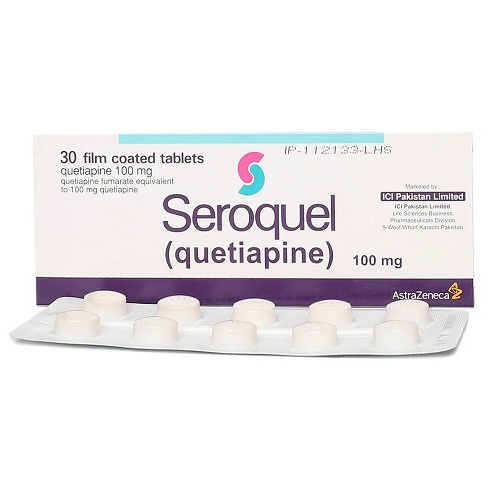
Seroquel (Quetiapine) in the United States: The Ultimate 2026 Patient & Clinician Guide
Key Takeaways: Seroquel at a Glance
| Parameter | Details (2026, U.S.) |
|---|---|
| Active Ingredient | Quetiapine Fumarate |
| Main Uses | Schizophrenia, Bipolar Disorder, Major Depressive Disorder (adjunctive) |
| Prescription Status | Prescription required. Illegal to obtain without a valid prescription in the U.S. |
| Onset of Action | 1–2 hours (immediate-release); 5 hours (extended-release) |
| Common Side Effects | Drowsiness, dry mouth, weight gain, dizziness |
| Insurance Coverage | Covered by most U.S. insurance plans (check your policy) |
| Legal Purchase | Only from licensed U.S. pharmacies with a valid prescription |
- Seroquel is regulated by the U.S. FDA and dispensed only with a prescription.
- Never attempt to purchase Seroquel from unlicensed or non-U.S. websites.
- Consult your healthcare provider before starting or stopping Seroquel.
Is Seroquel Prescription-Only in the United States?
Yes. Seroquel (Quetiapine) is a prescription medication in the United States. It is illegal and unsafe to obtain or use Seroquel without a valid prescription from a licensed healthcare provider.
The U.S. Food and Drug Administration (FDA) classifies Seroquel as a prescription-only drug due to its potent effects, potential side effects, and risk of misuse. Pharmacies in cities like New York, Los Angeles, Chicago, and Houston will require a valid prescription before dispensing this medication.
Attempts to purchase Seroquel without a prescription (including from online sources that do not require one) may result in receiving counterfeit medication, legal penalties, or serious health risks.
How Does Seroquel Actually Work? (Pharmacology Explained)
Seroquel contains quetiapine fumarate, classified as an atypical antipsychotic. Its main action is antagonism (blocking) of several key neurotransmitter receptors in the brain:
- Dopamine D2 receptors: By blocking these, Seroquel reduces dopamine activity, which helps control symptoms of psychosis such as hallucinations and delusions.
- Serotonin 5-HT2A receptors: Seroquel blocks these as well, which helps improve mood and reduce anxiety, and is thought to enhance antipsychotic effects with fewer movement-related side effects than older drugs.
- Histamine H1, Alpha-adrenergic, and Muscarinic receptors: Blockade here contributes to sedation, dry mouth, and other side effects.
In simple terms: Seroquel acts like a “dimmer switch” for certain brain signals, calming overactive pathways (especially dopamine and serotonin) that cause hallucinations, mania, or severe mood swings.
Myth: “Seroquel works instantly for all symptoms.”
Reality: It often takes days to weeks for full therapeutic effects, especially for mood stabilization.
According to recent 2024 clinical studies, Seroquel’s receptor profile may also explain why it causes fewer involuntary movement side effects (extrapyramidal symptoms) than many older antipsychotics.
How to Take Seroquel: Dosage, Timing, and Peak Effect
Seroquel is available in both immediate-release (IR) and extended-release (XR) tablets in the United States. Your doctor will determine the appropriate form and dosage based on your diagnosis, age, and response to treatment. Never self-adjust your dose.
- Typical Starting Dose:
-
- Schizophrenia (adults): 50 mg twice daily (IR) or 300 mg once daily (XR)
- Bipolar Mania: 50 mg twice daily (IR), titrated up as needed
- Major Depressive Disorder (adjunct): 50 mg once daily (XR), increasing if tolerated
- Maximum Daily Dose (adults):
- 800 mg per day (divided)
- Peak Effect:
- Within 1.5 hours (IR) or 6 hours (XR) after taking
- Tablet splitting:
- Do not split, crush, or chew extended-release (XR) tablets. Immediate-release tablets may be split if scored and approved by your doctor.
Missed dose? Take it as soon as you remember unless it’s close to your next dose. Do not double up or take extra.
Special populations: Elderly patients or those with liver/kidney impairment may need lower starting doses and slower titration. Always follow your doctor’s instructions.
Seroquel and Food, Alcohol, Lifestyle: What You Need to Know
| Product or Factor | Can It Be Combined? | Comments/Consequences |
|---|---|---|
| Food (regular meal) | Yes | No significant effect on absorption (IR). XR: Take without food or with a light meal (<300 kcal). |
| Fatty meals | Yes, but caution | May slightly delay absorption of XR tablet; not clinically significant for IR. |
| Alcohol | Strictly No | Risk of excessive sedation, respiratory depression, impaired judgment. |
| Grapefruit juice | Not recommended | May increase Seroquel levels dangerously by inhibiting CYP3A4 metabolism. |
| Caffeine | Yes | No direct interaction, but may worsen insomnia or jitteriness. |
| Nicotine (smoking) | Yes, with caution | Smoking may reduce Seroquel’s effectiveness; dose adjustment may be needed. |
Bottom line: Avoid alcohol and grapefruit juice entirely while on Seroquel. Follow your specific product’s label for instructions about meals, especially with XR forms.
Who Should NEVER Take Seroquel? Absolute and Relative Contraindications
- Known allergy to quetiapine or any component of the formulation
- Concomitant use with strong CYP3A4 inhibitors (e.g., certain antifungals or HIV medications) unless closely monitored
- Current coma or severe central nervous system depression
- History of cardiovascular disease, arrhythmia, or stroke – Seroquel may prolong the QT interval, increasing risk of dangerous heart rhythm problems.
- Severe liver or kidney impairment – Dosage adjustments may be required.
- Seizure disorders or history of seizures
- Diabetes or prediabetes – Seroquel can increase blood sugar, sometimes severely.
- Pregnancy or breastfeeding – Use only if the benefit outweighs the risk.
- History of low white blood cell counts – Risk of neutropenia.
Always inform your healthcare provider of your full medical history before starting Seroquel. If you have a recent heart attack, Seroquel is generally contraindicated until cardiac stability is achieved and only with specialist oversight.
What Side Effects Are Most Common With Seroquel?
- Drowsiness/sedation
- Dry mouth
- Dizziness
- Weight gain
- Constipation
- Rapid heartbeat (tachycardia)
- Low blood pressure when standing up (orthostatic hypotension)
- Increased appetite
- Nasal congestion
- Elevated blood sugar (hyperglycemia)
- Seizure
- Severe allergic reaction (anaphylaxis, angioedema)
- Neuroleptic Malignant Syndrome (life-threatening rigidity, confusion, fever)
- Priapism (painful, prolonged erection)
- Sudden cardiac arrhythmia
Why do these happen? Most common side effects result from Seroquel’s effects on histamine, adrenergic, and muscarinic receptors, causing drowsiness and dry mouth. Weight gain and metabolic changes are related to changes in how the body handles glucose and fats.
What should you do? If you experience severe dizziness, chest pain, irregular heartbeat, swelling of lips/tongue, or high fever, seek emergency medical attention. For mild side effects, discuss management strategies with your doctor—do not stop Seroquel abruptly.
How Does Seroquel Compare to Alternatives?
| Criteria | Seroquel (Quetiapine) | Risperdal (Risperidone) | Zyprexa (Olanzapine) |
|---|---|---|---|
| Onset of action | 1–2 hours (IR) | 1 hour | 1–2 hours |
| Duration of effect | 6–12 hours (IR); 24 hours (XR) | 12–24 hours | 24 hours |
| Sedation | Very common | Less common | Very common |
| Weight gain | Common | Less common | Very common |
| Movement side effects (EPS) | Low risk | Moderate risk | Lower risk |
| Cost (per 100 mg tablet, generic) | $0.25–$1.00 | $0.20–$0.90 | $0.30–$1.10 |
| Insurance coverage (U.S.) | Widely covered | Widely covered | Widely covered |
Expert commentary: Seroquel is preferred for patients sensitive to movement side effects but is more sedating and may cause more weight gain than risperidone. Olanzapine is similar but generally causes even more weight gain. Always tailor medication choice to individual risk factors and side-effect profiles.
Essential Seroquel Facts Table
| Parameter | Value |
|---|---|
| Available strengths (U.S.) | 25 mg, 50 mg, 100 mg, 200 mg, 300 mg, 400 mg |
| Formulations | Immediate-release, extended-release (Seroquel XR) |
| Half-life (adults) | ~6 hours (IR); ~7 hours (XR) |
| Metabolism | Liver (CYP3A4 enzyme) |
| Elimination | Urine (73%), feces (20%) |
| Driving/machinery warning | May impair; use caution until effects are known |
How to Legally Obtain Seroquel in the United States: Step by Step
- Consult a qualified healthcare provider (psychiatrist or primary care doctor) in your state—either in person, through your health system, or via a licensed telemedicine platform.
- Undergo psychiatric evaluation, which may include mental health questionnaires, in-person interviews, and a review of your medical history.
- If appropriate, receive a written or electronic prescription for Seroquel. U.S. law requires this for all antipsychotics.
- Fill the prescription at a local U.S. pharmacy (e.g., CVS, Walgreens, Walmart) or a licensed online pharmacy with U.S. operations. The pharmacy will check your prescription.
- Insurance reimbursement: Present your insurance card. Most plans (including Medicare Part D and Medicaid in many states) cover generic Seroquel.
- Pick up your medication in person or opt for mail delivery (from a pharmacy that requires a valid prescription).
Important: Never trust any website or person offering Seroquel without a prescription—these are illegal and carry a high risk of counterfeit product.
Legal and Patient Safety: Avoiding Counterfeits and Scams
Only purchase Seroquel from licensed U.S. pharmacies registered with your state Board of Pharmacy. The FDA recommends verifying online pharmacies using the BeSafeRx program.
- Red flag: Any site offering Seroquel without requiring a prescription is operating illegally.
- Risks of unauthorized sources: Counterfeit drugs, incorrect dosage, dangerous additives, and legal consequences (including seizure at U.S. customs).
Prescription requirement is not bureaucracy—it’s legal protection and ensures your safety. Your pharmacist can identify potential interactions that could be life-threatening.
How to Spot Counterfeit Seroquel (and Understand Generics)
- Original Seroquel (AstraZeneca) is sold in blister packs or pharmacy bottles with a tamper-evident seal, batch number, and expiration date.
- Tablet color, shape, and engraving (e.g., “SEROQUEL” or “XR” imprint) are consistent. Check the manufacturer’s website for photos.
- Many pharmacies now use QR codes or holograms on packaging for verification.
- Generic quetiapine is approved by the FDA and must meet the same quality, strength, and effectiveness standards as the brand-name product.
- Excipients (inactive ingredients) may differ—rarely, these can cause allergic reactions. If you have a known allergy to dyes or fillers, specify with your pharmacist.
- The cost of generics is typically 5–10 times lower than brand name. Most insurance plans prefer generics.
- Unusually low price, especially on non-U.S. websites
- Packaging with misspelled brand names, poor printing, or no lot/batch number
- No prescription required or shipped internationally
What Happens to Seroquel in Your Body? (Pharmacokinetics Simplified)
Seroquel is absorbed in the gut after oral administration. It reaches peak blood levels in 1.5 hours (IR) or 6 hours (XR). The drug is metabolized primarily in the liver via an enzyme called CYP3A4.
- After metabolism, about 73% is eliminated in the urine and 20% in feces.
- The average half-life (how long it takes for the blood level to drop by half) is 6–7 hours.
- Patients with liver impairment may have higher blood levels for longer—dose adjustments are often necessary.
In plain English: Seroquel is processed by your liver and leaves your body mostly through urine. If your liver isn’t working well, the drug may stick around longer and cause more side effects.
Special Populations: Elderly, Liver/Kidney Disease, Driving, and More
- Elderly (65+):
- Increased risk of sedation, falls, and low blood pressure. Lower starting doses required. Black Box Warning: Increased risk of death in elderly patients with dementia-related psychosis.
- Liver/Kidney impairment:
- Metabolism may be slower; your doctor may reduce dose or increase monitoring.
- Pregnancy:
- Seroquel is not first-line in pregnancy; used only if benefits clearly outweigh risks. Discuss family planning with your provider.
- Breastfeeding:
- Small amounts may pass into breast milk; discuss risks with your healthcare provider.
- Driving or operating machinery:
- Seroquel can cause drowsiness and impair thinking; do not drive until you know how it affects you.
- Fertility:
- No evidence of direct negative impact on fertility has been published as of 2026, but sexual side effects (libido changes) can occur.
What To Do in Case of Seroquel Overdose: Emergency Checklist
- Stop taking Seroquel immediately.
- Call 911 or your local emergency number.
- Tell the medical professional the exact amount of Seroquel taken and the time of ingestion.
- If possible, bring the medication packaging or prescription to the hospital.
- Do not induce vomiting unless specifically instructed by a medical professional.
- Stay with the affected person and monitor their breathing and level of alertness until help arrives.
Overdose symptoms can include: extreme drowsiness, rapid heart rate, fainting, seizures, difficulty breathing, and loss of consciousness. Prompt emergency care saves lives.
Frequently Asked Questions: Seroquel in the U.S.
- Can Seroquel be used every day?
- Yes, Seroquel is usually prescribed for daily use. Do not take more or less than your doctor prescribes.
- Is Seroquel addictive or habit-forming?
- Seroquel is not considered addictive, but abrupt discontinuation can cause withdrawal symptoms. Tapering should be supervised by your doctor.
- Can I buy Seroquel without a prescription in the U.S.?
- No. It is illegal and unsafe to obtain Seroquel without a prescription. Only licensed pharmacies can dispense it with a valid prescription.
- How quickly does Seroquel start working?
- Some effects (like sedation) may be felt within hours, but it often takes several days or weeks for full benefits—especially for mood symptoms.
- Is Seroquel available as a generic in the United States?
- Yes, FDA-approved generic quetiapine is widely available and is usually much less expensive than brand-name Seroquel.
- Will insurance cover Seroquel?
- Most U.S. insurance plans cover generic quetiapine, but coverage for the brand name may be limited. Check your insurer’s formulary.
- Can Seroquel be used for sleep or anxiety alone?
- Use for sleep or anxiety alone is not FDA-approved and increases risk of side effects. Only use as directed by your provider.
- What if Seroquel does not work for me?
- Contact your doctor. Dose adjustments, alternative therapies, or additional treatments may be needed. Never stop suddenly without guidance.
Living with Mental Health Conditions: You’re Not Alone
Millions of Americans face conditions like bipolar disorder, depression, and schizophrenia. These are medical issues—not personal failures. Reaching out for help is a sign of strength, not weakness.
In addition to medication, therapy and support from friends, family, or peer groups can make a real difference. Consider discussing your symptoms and treatment options with a mental health professional, especially if you’re struggling to cope.
References
- U.S. Food and Drug Administration (FDA). “Seroquel (quetiapine fumarate) Prescribing Information.” Accessed June 2026. Link
- American Psychiatric Association. “Practice Guideline for the Treatment of Patients with Schizophrenia.” 2024. Link
- National Alliance on Mental Illness (NAMI). “Quetiapine (Seroquel).” Updated 2026. Link
- BeSafeRx: Your Source for Online Pharmacy Information. U.S. FDA, 2025. Link
- PubMed. “Quetiapine in the Treatment of Bipolar Disorder: A Systematic Review and Meta-Analysis.” (2024). Link
- American Society of Health-System Pharmacists, “Quetiapine: Drug Information.” 2026. Link