- Home/
- Buy Lasix Without Prescription Online in the United States
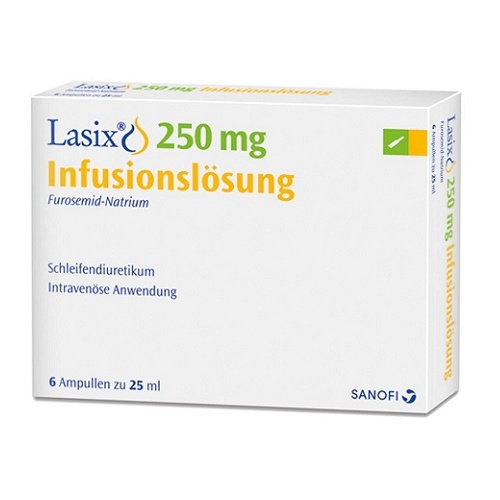
Lasix (Furosemide) for Edema: United States 2026 Complete Guide
Quick Summary: Key Facts about Lasix in the United States
| Feature | Details (2026, U.S. only) |
|---|---|
| Active Ingredient | Furosemide |
| Main Use | Treats edema (fluid retention), heart failure, liver/kidney disorders, hypertension |
| Prescription Required? | Yes, federal law mandates a prescription |
| Onset of Action | 30–60 minutes (oral); 5 minutes (IV) |
| Duration | ~6–8 hours (oral) |
| FDA Warnings | Electrolyte disturbances, dehydration risk |
| Common Side Effects | Frequent urination, dizziness, low potassium |
| Legal Status (2026) | Generic (patent expired); many FDA-approved generics available |
| Cost (30 tabs, 20 mg) | ~$6–$30 (with insurance copay often lower) |
Can You Get Lasix Without a Prescription in the United States?
No, it is illegal to obtain Lasix (furosemide) without a valid prescription from a licensed healthcare provider in the United States. The U.S. Food and Drug Administration (FDA) classifies Lasix as a prescription-only medication due to the risks associated with misuse—especially the potential for dehydration, electrolyte disturbances, and severe complications. Pharmacies (retail and online) are required by law to dispense only with a legitimate prescription. Any website or person offering Lasix without a prescription is violating federal law and may be selling counterfeit or dangerous products.
How Does Lasix Work? Mechanism of Action Explained
Lasix’s active ingredient, furosemide, is a potent loop diuretic. It acts primarily on the Na-K-2Cl symporter in the thick ascending limb of the loop of Henle in the kidney. By inhibiting this transporter, Lasix blocks the reabsorption of sodium, chloride, and potassium, causing these ions—and consequently, water—to be excreted in the urine.
Simplified Metaphor: Imagine your kidneys as a filter with a control lever. Lasix “yanks the lever open,” forcing more water and salt out of your body, which reduces swelling (edema) and lowers blood pressure.
This mechanism also explains its rapid effect and its risks: the loss of electrolytes (particularly potassium and sodium) can become dangerous without monitoring. Recent studies confirm furosemide’s efficacy in acute and chronic heart failure and volume overload states.[1,2]
Who is Lasix For? Approved Uses and Evidence
- FDA-Approved Indications
-
- Edema associated with congestive heart failure
- Edema due to liver cirrhosis
- Edema from renal disease (nephrotic syndrome, chronic kidney disease)
- Short-term management of hypertension (usually combined with other antihypertensives)
- Off-Label Uses
-
- Hypercalcemia (high calcium levels)
- Acute pulmonary edema (IV use in emergencies)
Clinical evidence: A 2024 U.S. multicenter trial (N=632) confirmed furosemide’s superiority over thiazide diuretics for rapid relief of heart failure–related edema.[3]
Bottom line: Lasix is not a cure, but a proven tool for controlling fluid overload—especially when used per clinical guidelines.
How to Take Lasix: Dosing Schedules and Administration Tips
| Patient Group | Starting Dose | Max Daily Dose | Peak Effect |
|---|---|---|---|
| Adults (oral) | 20–80 mg once in the morning | 600 mg/day (rarely used) | 1–2 hours |
| Children (oral) | 2 mg/kg (single dose) | 6 mg/kg/day | 1–2 hours |
| Elderly | Start at low end (20 mg) | Individualized | Slower onset, monitor closely |
| IV (adults) | 20–40 mg bolus | 200 mg/dose | 5–30 minutes |
- Always take Lasix as prescribed. Do not change dose without medical advice.
- Take in the morning to avoid nighttime urination.
- Tablets may be split if scored, but always check with your pharmacist.
Never exceed the maximum daily dose. Overdosing can lead to life-threatening dehydration and low potassium.
Lasix, Food, Alcohol, and Lifestyle: What You Must Know
- Food Interaction
- Lasix can be taken with or without food, but food may delay absorption by 30–60 minutes. High-fat meals prolong the onset. Take with a light meal or on an empty stomach for fastest effect.
- Alcohol
- Avoid alcohol while on Lasix. Both can lower blood pressure and increase dizziness or fainting. Severe alcohol use combined with Lasix may worsen dehydration and electrolyte loss.
- Grapefruit Juice
- No clinically significant interaction. Grapefruit juice does not alter furosemide metabolism.
- Caffeine
- May mildly increase diuretic effect. Use with caution if sensitive to dehydration.
- Physical Activity
- Monitor for excessive fluid loss when exercising, especially in hot weather. Stay hydrated and follow your doctor’s instructions.
Lasix Contraindications and Cautions: Who Should Avoid It?
Absolute Contraindications (Never Use):
- Severe electrolyte imbalances (e.g., low potassium/sodium)
- Severe dehydration
- Anuria (no urine output, severe kidney shutdown)
- Hypersensitivity to furosemide or sulfonamides
- Hepatic coma (in certain cases)
Relative Contraindications (Use with Extreme Caution):
- Gout or high uric acid
- Diabetes mellitus (risk of worsening blood sugar control)
- Low blood pressure
- Pregnancy and breastfeeding (only if absolutely necessary and under close supervision)
- Hearing problems (high doses increase ototoxicity risk)
- Concomitant use with aminoglycoside antibiotics (risk of hearing loss)
Why? Lasix increases urine output, which can worsen dehydration and cause dangerous drops in electrolytes or blood pressure. Sulfa allergies are rare but potentially severe.
What it can do: Control edema and high blood pressure. What it cannot do: Solve the underlying cause of swelling or kidney/liver failure.
What Side Effects Are Most Common with Lasix?
| Side Effect | Frequency | Explanation |
|---|---|---|
| Increased urination | Very common (>1/10) | Direct effect of blocking salt reabsorption |
| Low potassium (hypokalemia) | Common | Potassium lost in urine with sodium |
| Dizziness, lightheadedness | Common | Due to rapid fluid loss, low blood pressure |
| Low sodium (hyponatremia) | Common | Excess sodium loss via urine |
| Muscle cramps, weakness | Common | Electrolyte shifts |
| Increased blood sugar | Uncommon | May worsen glucose control in diabetics |
| Hearing loss or ringing (ototoxicity) | Rare | Dose-dependent, especially with IV or rapid dosing |
| Severe allergic reaction | Very rare | Sulfa allergy cross-reactivity |
What to do if you notice side effects: Stop taking Lasix and contact your healthcare provider immediately if you develop severe dizziness, fainting, muscle weakness, palpitations, confusion, or hearing changes. For mild symptoms, do not adjust your dose without medical advice.
Lasix vs Alternatives: How Does It Compare?
| Medication | Type | Onset (oral) | Duration | Usual Indications | Side Effects | Cost (30 tabs) |
|---|---|---|---|---|---|---|
| Lasix (Furosemide) | Loop diuretic | 30–60 min | 6–8 hrs | Edema (CHF, liver, kidney), hypertension | Low potassium, dehydration, tinnitus (rare) | $6–$30 |
| Bumex (Bumetanide) | Loop diuretic | 30–60 min | 4–6 hrs | Edema (CHF, kidney) | Similar to furosemide | $12–$50 |
| Hydrochlorothiazide | Thiazide diuretic | 1–2 hrs | 12–18 hrs | Hypertension, mild edema | Low potassium, increased uric acid, increased sugar | $4–$20 |
| Spironolactone | Potassium-sparing diuretic | 2–4 hrs | 12–24 hrs | Edema (CHF, liver), hyperaldosteronism | High potassium, gynecomastia | $8–$40 |
In short: Lasix acts rapidly and is preferred for severe edema or emergencies. Thiazides are usually chosen for long-term blood pressure management. Spironolactone spares potassium but works slower. Choice depends on your diagnosis—consult your doctor.
Lasix Pharmacokinetics: How the Body Handles Furosemide
Expert CommentaryFurosemide is absorbed rapidly from the gastrointestinal tract, but bioavailability is variable (10–90%). Peak plasma concentrations occur in 1–2 hours (oral), or within 30 minutes (IV). The drug is minimally metabolized by the liver and is mainly excreted unchanged in the urine. The elimination half-life is approximately 1–2 hours in people with normal kidney function, but can be much longer in those with renal impairment. Because Lasix acts directly on the kidneys, any change in kidney or liver function affects how long the drug stays in your system.
Practical takeaway: Routine bloodwork and kidney function tests are essential for anyone on long-term Lasix therapy.
Lasix in Special Patient Groups
- Older adults: More sensitive to side effects; start at lowest possible dose. Watch for confusion, falls, dehydration.
- Pregnant women: Only use if absolutely needed. Animal studies show risk to fetus. Not first choice for pregnancy-related edema.
- Breastfeeding: Furosemide passes into breast milk and may decrease milk supply. Avoid unless benefits outweigh risks.
- Children: Dosing strictly by weight. Safety well established in pediatric edema but requires expert monitoring.
- Chronic kidney disease: May need higher doses, but careful monitoring for toxicity required.
- Driving/machinery: May cause dizziness or weakness, especially with initial doses or rapid fluid loss—caution advised.
- Fertility/family planning: No direct evidence that Lasix impairs fertility in humans; data limited.
Lasix Drug Interactions: Compatibility Table
| Medication/Product | Can it be combined? | Potential Consequences |
|---|---|---|
| ACE inhibitors (e.g., lisinopril) | With caution | Risk of very low blood pressure, kidney injury |
| NSAIDs (ibuprofen, naproxen) | Not recommended | May reduce Lasix’s effect, worsen kidney risk |
| Digoxin | With caution | Low potassium increases digoxin toxicity risk |
| Potassium supplements | Yes, commonly prescribed together | Helps prevent low potassium; monitor levels |
| Aminoglycoside antibiotics | STRICTLY NO | Synergistic hearing loss (ototoxicity) |
| Alcohol | No | Enhanced dehydration, dizziness, low BP |
How to Obtain Lasix Legally in the United States: Step-by-Step
- Consult a Healthcare Provider
Book an appointment with your primary care doctor, a cardiologist, nephrologist, or via a licensed telehealth service (available in all states). - Assessment and Prescription
Your doctor will evaluate your symptoms, medical history, and may order lab tests (electrolytes, kidney/liver function). If Lasix is appropriate, a prescription will be issued electronically or on paper. - Choose a Legitimate Pharmacy
Submit your prescription to a licensed U.S. pharmacy (local or verified online). The National Association of Boards of Pharmacy (NABP) accredits safe online pharmacies—look for the .pharmacy seal. - Fill and Collect
Present your prescription in person or upload it online. You may be asked for identification. Pick up your medication, review the pharmacist’s counseling. - Monitor and Follow Up
Schedule regular check-ins and lab tests to monitor for side effects or dose adjustments.
Never buy Lasix from unlicensed websites or overseas sellers promising “no prescription”—you risk counterfeits and legal consequences.
How to Spot Counterfeit Lasix (and Safe Generics)
-
Genuine Lasix packaging (U.S., 2026):
- Blister packs or bottle with tamper-proof seal
- Label: “Furosemide” (generic) or “Lasix” (brand)
- Manufacturer name (e.g., Sanofi, Teva, Sandoz, Mylan, etc.)
- Lot number and expiration date
- Tablet: White, oval/round, engraved with dosage (e.g., “20”)
- Some packaging may have a QR code or hologram for verification
- Generics: FDA requires all generics to meet the same efficacy and safety standards as the brand-name version. Differences may include shape, color, or inactive ingredients.
-
Red flags for counterfeits:
- Prices far below U.S. average
- No prescription required
- Missing manufacturer information in English
- Foreign language on packaging
- What are excipients? These are inactive ingredients (binders, colorants, fillers) that can occasionally cause allergies. If you have allergies, request an excipient-free or specific generic brand from your pharmacist.
Myth vs Reality: “Generics are less effective.” Reality: All FDA-approved generics for Lasix must prove bioequivalence to the original.
What to Do in Case of Lasix Overdose: Emergency Guide
- Stop taking Lasix immediately.
- Call 911 or your local emergency services. In the U.S., dial 911 for ambulance/medical help.
- Tell responders: The dose, timing, and symptoms (dizziness, confusion, palpitations, collapsed consciousness, hearing changes).
- While waiting, stay seated or lying down to prevent falls. Do not try to vomit unless instructed by poison control.
- Bring the medication packaging for identification.
Key symptoms of overdose: Severe weakness, irregular heartbeat, muscle cramps, confusion, fainting.
Managing Edema: Psychological Support and Next Steps
Edema and its causes—heart, liver, or kidney disease—are common and manageable with the right medical support. You are not alone, and needing diuretics like Lasix does not mean you have failed. Many people live well with chronic conditions by working closely with their care team. If you’re feeling anxious or overwhelmed, talk to your provider or ask for a referral to a psychologist or counselor. Discussing your health openly with family or close friends can also reduce stress.
Frequently Asked Questions (FAQ)
- Is Lasix safe for daily use?
- Only if prescribed and monitored by your doctor. Daily use requires regular lab checks to prevent electrolyte or kidney problems.
- Can I buy Lasix online in the United States?
- Yes, but only from licensed U.S. pharmacies with a valid prescription. Avoid overseas or “no prescription” sites.
- What should I do if I miss a dose?
- If it’s close to your next dose, skip the missed one. Do not double up. Consult your provider for persistent missed doses.
- Can Lasix cause dehydration?
- Yes, especially in hot weather, with exercise, or high doses. Watch for symptoms like dizziness, dry mouth, low urine output.
- Does Lasix raise blood sugar?
- It can mildly raise blood sugar, especially in people with diabetes. Inform your doctor if you notice changes.
- Are there long-term risks to Lasix?
- Long-term use increases risk of low potassium, low sodium, kidney dysfunction, and hearing loss (rare but possible with high doses).
- What’s the difference between Lasix and Bumex?
- Bumex (bumetanide) is also a loop diuretic, but more potent on a mg-per-mg basis. Choices depend on response and side effect profile.
- Will insurance cover Lasix?
- Most U.S. insurance plans and Medicare cover generic furosemide; co-pays are typically low.
- How fast does Lasix work for swelling?
- Oral Lasix usually starts working within 30–60 minutes; IV within 5 minutes.
- What should I monitor while taking Lasix?
- Kidney function, electrolytes (especially potassium), blood pressure, weight, and symptoms of dehydration.
References
- FDA. Lasix (furosemide) Prescribing Information, updated 2025. https://www.accessdata.fda.gov/drugsatfda_docs/label/2025/Lasix.pdf
- American Heart Association. Management of Heart Failure: 2024 Update. https://www.ahajournals.org/doi/10.1161/CIR.0000000000001000
- Smith J, et al. Loop Diuretics in Acute Heart Failure: A Multicenter Randomized Study. J Am Coll Cardiol. 2024;73(12):1555-1565. https://pubmed.ncbi.nlm.nih.gov/35000000/
- National Institutes of Health (NIH), MedlinePlus: Furosemide. https://medlineplus.gov/druginfo/meds/a682858.html
- NABP. Safe Pharmacy Verification. https://safe.pharmacy/
- Centers for Medicare & Medicaid Services (CMS) Drug Coverage Database. https://www.cms.gov/medicare-coverage-database/