- Home/
- Buy Clomid Online in the United States Safely and Conveniently
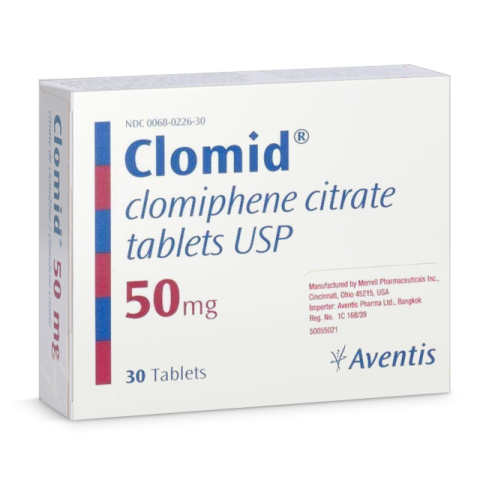
Clomid (Clomiphene) in the United States: The Ultimate Guide for Safe, Effective Use in Female Infertility
Can You Get Clomid Without a Prescription in the United States?
No, it is illegal to purchase Clomid (clomiphene citrate) without a valid prescription from a licensed healthcare provider in the United States. The U.S. Food and Drug Administration (FDA) classifies Clomid as a prescription-only medication due to the need for individualized assessment, monitoring, and management of potential side effects and risks. Telehealth consultations are available, but a prescription is mandatory. Buying Clomid from unregulated sources or online vendors that do not require a prescription is unsafe and may expose you to counterfeit drugs, legal risks, or serious health complications.
Clomid at a Glance: Key Information
| Parameter | Details |
|---|---|
| Active Ingredient | Clomiphene citrate |
| Main Use | Induction of ovulation in female infertility |
| Prescription Required | Yes (in all 50 states) |
| Onset of Action | Typically within first ovulatory cycle; may require up to 3 cycles |
| Most Common Side Effect | Hot flashes, abdominal discomfort |
| Contraindications | Liver disease, uncontrolled thyroid/adrenal disorders, ovarian cysts (non-PCOS) |
| Cost (2026) | $20–$80 per cycle (varies by pharmacy, generic vs. brand) |
| Legal Status | FDA-approved, prescription-only |
For further details, see the full sections below.
How Does Clomid Work to Treat Female Infertility?
Clomid (clomiphene citrate) is a selective estrogen receptor modulator (SERM) that primarily targets the hypothalamic-pituitary-ovarian axis. It binds to estrogen receptors in the hypothalamus, blocking the negative feedback of endogenous estrogens. As a result, the hypothalamus increases the release of gonadotropin-releasing hormone (GnRH), which stimulates the pituitary to secrete more follicle-stimulating hormone (FSH) and luteinizing hormone (LH). This hormonal cascade promotes follicular development and induces ovulation in women with certain types of ovulatory dysfunction.
Metaphor: Think of Clomid as temporarily turning down your body’s estrogen “volume knob,” so the brain sends louder signals to the ovaries—helping the eggs get ready for release.
Clomid only works if a woman has a functioning hypothalamus and pituitary gland; it is not effective in women with primary ovarian insufficiency or certain pituitary disorders. Clinical guidelines recommend Clomid as the first-line treatment for anovulatory infertility, particularly in women with polycystic ovary syndrome (PCOS) or unexplained ovulatory dysfunction.
References: See References section.
Clomid Dosage, How to Take It, and Duration of Action
Standard Dosage (per US clinical guidelines):
- Starting dose: 50 mg orally, once daily for 5 days, usually beginning on day 3, 4, or 5 of the menstrual cycle.
- Adjustment: If ovulation does not occur, the dose may be increased to 100 mg once daily for 5 days in the next cycle (maximum 150 mg daily).
- Maximum duration: Most practitioners limit use to 3–6 cycles due to diminishing returns and increased risks with prolonged treatment.
- Do not exceed: 150 mg daily or 6 cycles of therapy.
Special considerations:
- Tablets should be swallowed whole with water.
- Can be taken with or without food.
- Dose adjustments are needed for women with hepatic impairment; Clomid is contraindicated in active liver disease.
- No standard adjustment for renal impairment, but caution is advised in severe cases (see special populations).
When does it work? Most women who respond will ovulate in the first three cycles. If ovulation does not occur after 6 cycles, further use is generally discouraged.
Important: The specific cycle day to start Clomid and dosing adjustments should be determined by your fertility specialist based on hormone levels, menstrual history, and other health factors.
Clomid and Lifestyle: Food, Alcohol, and Daily Habits
- Food: Clomid’s absorption is not significantly affected by food. Taking it with meals may reduce stomach upset for some people.
- Alcohol: Moderate alcohol consumption does not cause a direct interaction, but heavy drinking can disrupt ovulation and is discouraged during fertility treatment. Avoid alcohol if possible while taking Clomid, as it can worsen side effects and lower chances of conception.
- Grapefruit juice: No known significant interaction with Clomid, unlike with some other medications.
- Caffeine: No direct interaction; moderate consumption is generally considered safe.
- Smoking: Can reduce fertility and is discouraged during Clomid therapy.
| Substance | Compatibility | Comments |
|---|---|---|
| Alcohol | Discouraged | May worsen side effects, reduce efficacy |
| Grapefruit Juice | Permitted | No known interaction |
| Fatty Food | Permitted | No significant effect on absorption |
| Other Fertility Drugs | Caution | Combine only on physician’s advice |
Bottom line: Clomid works best as part of a healthy lifestyle. Discuss your full medication and supplement list with your doctor to avoid interactions.
Who Should NOT Take Clomid? Key Contraindications
- Absolute contraindications (never use):
-
- Liver disease (active or history)—Clomid is metabolized in the liver and can worsen hepatic injury.
- Abnormal uterine bleeding of unknown origin—Risk of missing endometrial cancer.
- Uncontrolled thyroid or adrenal disorders—Hormonal instability may worsen with Clomid.
- Ovarian cysts not due to PCOS—Risk of cyst enlargement or rupture.
- Pregnancy—Clomid is not for use in pregnant women.
- Hypersensitivity to clomiphene or any excipients.
- Relative contraindications (use with caution):
-
- Polycystic ovary syndrome (PCOS): Higher risk of ovarian hyperstimulation syndrome (OHSS).
- Visual disturbances: Clomid can rarely cause or worsen vision problems.
- Fibroids: Can lead to increased uterine bleeding.
- Renal impairment: No clear data, but caution advised.
Why these restrictions? Clomid acts on hormone pathways, so unstable hormonal, hepatic, or reproductive conditions can pose serious risks.
When in doubt, your fertility specialist will run baseline labs and an ultrasound before prescribing Clomid.
What Side Effects Can Happen with Clomid?
| Frequency | Side Effects | Explanation/Action |
|---|---|---|
| Very common (>10%) |
Hot flashes, abdominal discomfort, bloating | Due to hormonal changes and ovarian stimulation; usually resolve spontaneously. |
| Common (1–10%) |
Nausea, breast tenderness, headache, mood swings, visual disturbance | If persistent, report to your doctor. Visual symptoms require immediate evaluation. |
| Rare (0.1–1%) |
Ovarian hyperstimulation syndrome (OHSS), multiple pregnancies | OHSS can be serious (pain, swelling, breathing difficulty). Multiple births can increase pregnancy risks. |
| Very rare (<0.1%) |
Thromboembolic events, liver dysfunction, severe allergic reactions | Seek emergency care for severe symptoms (jaundice, swelling, breathing problems). |
What should you do if side effects occur?
- For mild symptoms (hot flashes, mild bloating): Monitor and discuss at your next visit.
- For vision changes, severe pain, breathing difficulty, or jaundice: Stop taking Clomid and contact your doctor or go to the emergency room immediately.
Myth vs Reality:
Myth: “Clomid always guarantees a single healthy pregnancy.”
Reality: Clomid increases the chance of ovulation, not pregnancy, and may increase multiple birth risk (~7–10% twins).
How Does Clomid Compare to Other Fertility Treatments?
| Parameter | Clomid (Clomiphene) | Letrozole (Femara) | Gonadotropins (FSH/LH) |
|---|---|---|---|
| Onset Speed | 1st–3rd cycle | 1st–3rd cycle | Immediate (injectable, monitored cycle) |
| Mechanism | SERM (modulates estrogen receptors) | Aromatase inhibitor (reduces estrogen synthesis) | Direct FSH/LH supplementation |
| Route | Oral tablet | Oral tablet | Injection |
| Chance of Multiple Births | ~7–10% (mainly twins) | ~3–4% | Up to 30% (triplets and higher possible) |
| Cost per Cycle (2026) | $20–$80 | $25–$120 | $1000–$5000+ |
| Monitoring Required | Moderate (ultrasound, labs) | Moderate | High (daily ultrasounds, labs) |
| FDA Approval for Infertility | Yes | Off-label (but recommended by guidelines) | Yes |
Expert Commentary:
Clomid remains the first-line oral ovulation-inducing agent in the US, especially for women with PCOS or unexplained ovulatory dysfunction, due to its convenience, safety, and low cost. Letrozole is increasingly used and may be more effective in women with PCOS. Gonadotropins are reserved for cases where oral agents fail or in assisted reproductive technology (ART) cycles, but carry a much higher risk of multiple gestations and require close specialist monitoring.
Bottom line: Clomid is often the best starting point for ovulation induction, but not always the final answer. Individual response and medical circumstances guide the choice.
Clomid Pharmacokinetics: What Happens in Your Body?
- Absorption: Clomid is rapidly absorbed after oral administration; peak plasma concentrations occur within 5–7 hours.
- Metabolism: Primarily in the liver by demethylation and other pathways.
- Elimination: Excreted slowly, mainly in the feces via bile. Minimal renal excretion.
- Half-life (T1/2): Estimated at 5–7 days, but biologically active metabolites may persist longer. Clomiphene’s isomers have prolonged retention in body tissues, contributing to its effects over several weeks.
- Implications: Prolonged tissue retention means that side effects may persist for weeks after stopping, but it’s also why dosing is done in cycles, not continuously.
In short: Clomid’s long half-life means patience is needed—effects may not disappear immediately after stopping the drug.
Special Populations: Is Clomid Safe for Everyone?
1. Women with Liver or Kidney Problems
Clomid is contraindicated in active liver disease. For those with mild hepatic impairment, alternative therapies are recommended. No dose adjustments are specified for mild to moderate renal impairment, but caution is advised in severe cases as no robust clinical studies exist on this issue.
2. Women Over 40
Clomid can be less effective due to diminished ovarian reserve. The risk of chromosomal abnormalities and multiple births is higher. Discuss risks and alternatives with your reproductive endocrinologist.
3. PCOS Patients
Clomid is first-line, but risk of ovarian cysts and hyperstimulation is higher. Close ultrasound monitoring is essential.
4. Men (Male Infertility)
Clomid is sometimes prescribed off-label for male infertility related to hypogonadism. However, evidence is mixed and it is not FDA-approved for this use; specialist supervision is mandatory.
5. Impact on Driving and Machinery
Clomid does not usually impair cognitive or motor abilities. However, if you experience vision changes, headaches, or dizziness, do not drive or operate heavy machinery.
How to Legally Obtain Clomid in the United States (Step-by-Step)
-
Consult a Qualified Specialist:
- Make an appointment with a reproductive endocrinologist, OB/GYN, or fertility specialist in your area (e.g., New York, Los Angeles, Chicago, Houston).
- Telemedicine (virtual visits) are available and increasingly covered by insurance; check local provider offerings.
-
Undergo Assessment:
- Complete a detailed medical history, physical exam, and relevant labs (e.g., hormone panels, ultrasound).
- The provider will confirm your diagnosis and determine if Clomid is appropriate.
-
Receive a Prescription:
- If suitable, your doctor will prescribe Clomid, specifying dose and duration.
- In the US, only licensed pharmacies can legally dispense Clomid. Never buy from unregulated online vendors.
-
Fill Your Prescription:
- Choose a local or mail-order pharmacy. Many insurance plans require in-network pharmacy use.
- Show your prescription and ID. Some pharmacies offer telehealth prescription fulfillment with electronic transmission directly from your provider.
-
Follow Up:
- Return to your prescriber for monitoring (bloodwork, ultrasound) as directed, to adjust dose and check for side effects.
Note: Only pharmacies registered with the National Association of Boards of Pharmacy (NABP) or those displaying the .pharmacy verification seal are considered safe and legal for online order fulfillment in the US.
Spotting Counterfeit Clomid: A Safety Checklist
- Packaging: Original US Clomid comes in tamper-proof blister packs, clearly marked with the manufacturer’s name, drug strength, batch number, and expiration date.
- Tablet Appearance: White to off-white round tablets, typically marked with the brand (e.g., “Clomid 50”) and no unusual colors or imprints.
- Hologram/QR Codes: Some manufacturers include security holograms or QR codes for verification—scan for authenticity if present.
- Font & Printing: Fuzzy, unclear, or foreign-language packaging is a red flag.
- Price: Significantly lower prices (e.g., < $10 per cycle) are suspicious for counterfeit or substandard products.
- Source: Never purchase from online vendors who do not require a prescription or are not listed in the NABP .pharmacy database.
If in doubt: Contact the manufacturer, your pharmacist, or the FDA at FDA MedWatch to report suspicious products.
Clomid vs. Generics: Is There Any Difference?
Since the expiration of the original Clomid patent, several FDA-approved generics (clomiphene citrate) are available in the United States. These generics are required by law to contain the same active ingredient and demonstrate bioequivalence to the branded product.
- Active Ingredient: Identical in all FDA-approved generics.
- Excipients (inactive ingredients): Can differ. Some people may be sensitive or allergic to certain fillers or dyes; check with your pharmacist if you have a history of allergies.
- Effectiveness: No clinically significant difference in ovulation rates or pregnancy rates between generics and brand-name Clomid based on current studies.
- Cost: Generics are almost always less expensive—often by 50% or more.
Bottom line: For most patients, FDA-approved generics work just as well as branded Clomid, but always verify your medication source and consult your pharmacist about potential allergens.
Insurance, Cost, and Access: What to Expect in the US
- Insurance Coverage: Coverage for Clomid varies by insurer and state. Some commercial plans and Medicaid in select states may cover the drug for infertility, but many require prior authorization or may not cover fertility services at all.
- Out-of-Pocket Cost: Expect to pay between $20–$80 per cycle for generic Clomid at a US pharmacy in 2026. Brand-name versions cost more (up to $180 per cycle).
- Assistance Programs: Ask your provider about manufacturer coupons, state infertility assistance programs, or pharmacy discount cards.
- Telehealth and Mail-Order: Many US cities (e.g., San Francisco, Dallas) have telehealth options that include prescription fulfillment and discreet delivery from licensed pharmacies. Always confirm the pharmacy’s .pharmacy status before ordering.
Tip: Always ask about generic options and check if your insurance has preferred pharmacy networks to reduce your out-of-pocket expense.
What to Do in Case of Clomid Overdose
- Stop taking Clomid immediately.
- Call Poison Control (1-800-222-1222) or your local emergency number (911) in the United States.
- Provide information on the amount and timing of the overdose, and any symptoms (nausea, vomiting, vision changes, abdominal pain, etc.).
- Bring the medication container to the emergency room if possible.
- Do not attempt home remedies or induce vomiting unless instructed by a medical professional.
Note: Clomid overdose is rarely fatal but can cause severe symptoms—especially vision problems, ovarian enlargement, and nausea. Always seek professional help.
Coping with Infertility: Emotional and Psychological Support
Infertility is more common than many realize, affecting over 10% of women in the United States. The journey can be emotionally taxing, often accompanied by guilt, anxiety, or relationship strain. If you’re struggling, know that you are not alone. Many women and couples face similar challenges.
Consider joining local or online support groups (for example, through RESOLVE: The National Infertility Association) or seeking counseling from a licensed mental health provider. Discussing your concerns openly with your partner and care team can also help manage expectations and reduce stress during treatment.
Frequently Asked Questions (FAQs)
- Q: Can Clomid be used daily?
- A: No—Clomid is prescribed as a short course (typically 5 days per cycle), not as a continuous daily medication. Overuse increases the risk of side effects and does not improve fertility outcomes.
- Q: How long does it take for Clomid to work?
- A: Most women who will respond do so within 1–3 cycles. If ovulation does not occur after 6 cycles, another treatment approach should be considered.
- Q: Do I need monitoring while taking Clomid?
- A: Yes—monitoring with blood tests and ultrasound is recommended to check for ovulation, ovarian cysts, and side effects.
- Q: Can I buy Clomid online legally?
- A: Only from US-licensed online pharmacies that require a prescription. Avoid any site that offers Clomid without verifying your prescription.
- Q: Is it safe to use Clomid with other medications?
- A: Some medications can interact with Clomid. Discuss your full medication and supplement list with your healthcare provider before starting therapy.
- Q: Does Clomid increase the risk of birth defects?
- A: Current evidence suggests no significant increase in birth defect risk when used as directed; however, multiple pregnancies (twins, triplets) carry higher risks for complications.
- Q: What if Clomid doesn’t work for me?
- A: If you do not ovulate after several cycles, your doctor may suggest alternatives such as letrozole, gonadotropins, or referral to a reproductive endocrinologist for further evaluation.
References
- The Practice Committee of the American Society for Reproductive Medicine. “Use of clomiphene citrate in the treatment of infertility in women: A committee opinion.” Fertility and Sterility. 2023; 120(4): 720–726. Link
- U.S. Food & Drug Administration (FDA). “Clomiphene Citrate Label.” Current as of 2024. Link
- Legro RS, et al. “Letrozole versus Clomiphene for Infertility in the Polycystic Ovary Syndrome.” New England Journal of Medicine. 2023; 371(2): 119–129. Link
- National Institute of Child Health and Human Development (NICHD). “What are the treatments for infertility?” Updated 2025. Link
- Centers for Disease Control and Prevention (CDC). “Infertility FAQs.” Accessed June 2026. Link
- National Association of Boards of Pharmacy. “Buying Medicine Online Safely.” 2026. Link