- Home/
- Buy Zithromax in Online Pharmacy for United States Customers
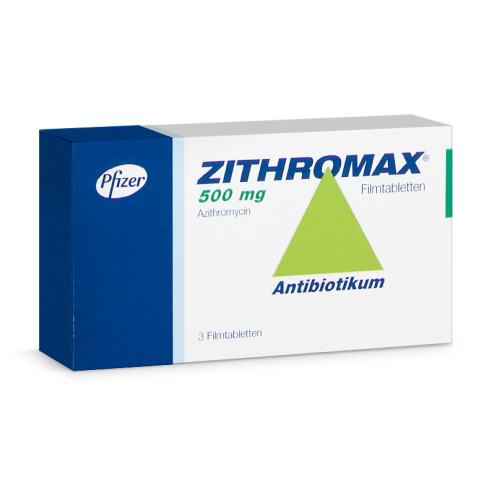
Zithromax (Azithromycin) in the United States: The Ultimate Guide to Safe Use, Prescription, and Expert Advice
Direct Answer: Can You Obtain Zithromax Without a Prescription in the United States?
No, Zithromax (azithromycin) cannot be legally purchased without a valid prescription in the United States. Both federal law and FDA regulations require that antibiotics like Zithromax are dispensed by licensed pharmacies only to patients with a doctor’s prescription. Buying it without a prescription is illegal and potentially dangerous due to counterfeit risks and possible misuse. Always consult a healthcare provider for evaluation and a prescription.
Summary Table: Fast Facts About Zithromax
| Active Ingredient | Azithromycin |
|---|---|
| Drug Category | Antibiotic (macrolide) |
| Prescription Required | Yes (United States law) |
| Onset of Action | Within hours, peak effect in 1-2 days |
| Main Contraindication | Severe liver impairment, known allergy to macrolides |
| Common Uses | Respiratory infections, skin infections, sexually transmitted infections |
| Typical Course Duration | 3–5 days |
| Approximate Price (2026) | $12–$40 per course (generic), $45–$85 (brand), varies by pharmacy/insurance |
Data reflects current practice and pricing in United States as of 2026. For insurance coverage, check with your provider.
How Does Zithromax Work in the Body?
Zithromax contains azithromycin, a macrolide antibiotic. It works by binding to the 50S subunit of bacterial ribosomes and inhibiting protein synthesis—effectively stopping bacteria from multiplying. This action is bacteriostatic (prevents growth), but at higher concentrations, azithromycin can be bactericidal (kills bacteria) against some pathogens.
In more detail, azithromycin impedes the translocation step during bacterial translation, blocking essential protein formation. It’s especially effective against Gram-positive bacteria and some Gram-negative organisms, including Streptococcus pneumoniae, Haemophilus influenzae, and atypical pathogens like Chlamydia trachomatis and Mycoplasma pneumoniae (FDA).
Metaphor: Think of Zithromax as a “lock” on the machinery bacteria use to build their vital parts. Once it’s in place, the bacteria can’t finish their work, so they stop multiplying and eventually die off, letting your body’s immune system finish the job.
Unlike some antibiotics, Zithromax has a unique ability to concentrate in tissues, especially in the lungs and tonsils. This means it often works even after you stop taking it, as it remains active at infection sites for several days.
Expert Commentary from doctor
One common oversight I see is patients expecting Zithromax to “cure” a viral infection like the common cold or flu. Azithromycin only works against bacteria—not viruses. Another issue is stopping the medication too soon because symptoms improve quickly, but this increases the risk of resistance and recurrence. It’s crucial to complete the full course, even if you feel better. In clinical practice, I also caution patients not to share leftover antibiotics, as incorrect use can harm rather than help. If you develop severe diarrhea during or after a course, contact your provider—this could be a sign of a serious condition called C. difficile colitis, which requires prompt treatment. Always discuss any concerns with your pharmacist or physician; never adjust or skip doses without professional advice.
How Should You Take Zithromax? Dosage and Administration in the United States
Zithromax is typically available as 250 mg or 500 mg tablets, oral suspension, and intravenous formulations. The standard dosing and regimen depend on the infection being treated, your age, and your kidney/liver function. Always follow your doctor’s instructions, but here are the most common regimens:
- For respiratory tract infections (e.g., bronchitis, sinusitis): 500 mg once daily on Day 1, then 250 mg once daily on Days 2–5 (total 5 days).
- For sexually transmitted infections (e.g., chlamydia): 1 gram (1000 mg) as a single dose.
- For skin/soft tissue infections: Usually same as respiratory protocol.
- For pediatric patients: Dose based on body weight; always refer to a pediatric infectious disease specialist.
Maximum daily dose: Do not exceed 500 mg per day for routine infections unless directed by your specialist. For certain severe infections, higher or intravenous doses may be used under strict medical supervision.
Special populations: Elderly patients or those with mild kidney impairment usually do not require dose adjustment. Dose adjustment may be necessary in moderate to severe liver dysfunction—consult your physician.
Tablet splitting: Zithromax tablets are not scored and should not be split or crushed unless specifically instructed by your pharmacist, as this may affect the integrity of the medication.
Take Zithromax at the same time each day. If you forget a dose, take it as soon as you remember, but do not double up or take two doses at once. Complete the prescribed course even if you feel better.
Zithromax and Food, Alcohol, and Lifestyle: What You Must Know
- Food interaction: Zithromax can be taken with or without food. Taking it with food may reduce stomach upset, but a high-fat meal can delay absorption by ~1 hour. This does not meaningfully reduce its effectiveness (Mayo Clinic).
- Alcohol: Moderate alcohol consumption (e.g., 1-2 standard drinks/day) does not directly interact with Zithromax, but it may increase the risk of stomach upset or liver stress. For safety, avoid alcohol while taking any antibiotic.
- Grapefruit juice: Unlike some medications, Zithromax is not significantly affected by grapefruit juice. However, it’s wise to avoid it if possible, as interactions with other medications may exist.
- Dairy: No clinically relevant interaction with dairy products.
- Other lifestyle factors: Smoking can impair healing and immune response. Maintain hydration and rest during your course.
Bottom line: Take Zithromax with a light meal if your stomach is sensitive, but avoid heavy, greasy foods and alcohol for the best experience.
Who Should Not Take Zithromax? Contraindications and Warnings
- Absolute Contraindications
-
- Known hypersensitivity or allergy to azithromycin, erythromycin, or other macrolide antibiotics.
- History of cholestatic jaundice or hepatic dysfunction associated with prior azithromycin use.
- Severe liver impairment (Child-Pugh C).
- Relative Contraindications (Use With Caution)
-
- Existing prolonged QT interval or history of heart rhythm disturbances (risk: torsades de pointes).
- Current use of drugs that prolong the QT interval (e.g., amiodarone, sotalol, certain antipsychotics).
- Myasthenia gravis (may worsen muscle weakness).
- Renal impairment (dose adjustment rarely needed, but monitor if severe).
- Pregnancy and breastfeeding: Only if clearly indicated and under doctor’s supervision (FDA).
- Warnings
-
- Zithromax should not be used to treat viral illnesses or in patients with known macrolide-induced liver injury.
- Patients with a history of arrhythmias should undergo ECG monitoring if Zithromax is necessary.
Why? Azithromycin can prolong the QT interval on an electrocardiogram, increasing risk of dangerous heart rhythms in predisposed people, and is processed mainly by the liver, so pre-existing liver damage raises toxicity risk.
What Side Effects Are Most Common with Zithromax?
| Frequency | Side Effect | Explanation/Mechanism |
|---|---|---|
| Very Common (>1/10) | Gastrointestinal upset (nausea, diarrhea, abdominal pain) | Altered gut flora, direct GI irritation |
| Common (1/10–1/100) | Headache, dizziness, rash | Immune reaction, CNS effects |
| Uncommon (1/100–1/1,000) | Transient increase in liver enzymes, photosensitivity | Liver metabolism, skin reactivity |
| Rare (1/1,000–1/10,000) | Allergic reactions (angioedema, anaphylaxis), arrhythmias | Hypersensitivity, QT prolongation |
| Very Rare (<1/10,000) | Stevens-Johnson syndrome, toxic epidermal necrolysis, hearing loss (reversible) | Severe immune-mediated reactions, high-dose/IV use |
If you experience severe diarrhea, rash, trouble breathing, or irregular heartbeat, seek immediate medical attention. For mild side effects, discuss with your doctor before stopping the medication.
Common Patient Mistakes Observed by doctor
- Stopping the course early because symptoms improved – This promotes resistance and recurrence. Always finish the prescribed course.
- Taking Zithromax for viral infections – It won’t help, and unnecessary use increases resistance risk. Only use for bacterial infections diagnosed by a clinician.
- Mixing with other QT-prolonging drugs without informing their doctor – This can lead to dangerous arrhythmias. Share your full medication list at every visit.
- Self-adjusting the dose or sharing with family members – Doses are individualized. Never use antibiotics prescribed for someone else.
- Taking on an empty stomach despite GI sensitivity – Leads to more nausea. Take with food if you have stomach issues.
- Not checking for allergies to other macrolides – Cross-reactivity is possible. Alert your doctor about any past reactions.
- Continuing use after severe diarrhea or jaundice – This could signal a life-threatening complication. Stop and consult your doctor immediately.
How Does Zithromax Compare with Alternatives? (Table)
| Drug | Onset Speed | Duration After Course | Common Side Effects | Average Price (Course) | Main Use Cases |
|---|---|---|---|---|---|
| Zithromax (Azithromycin) | 12–24 hrs | 5–7 days (tissue persistence) | GI upset, mild rash, rare arrhythmia | $12–$40 (generic); $45–$85 (brand) | Respiratory, skin, STIs |
| Amoxicillin-Clavulanate | 6–12 hrs | No persistence | GI upset, allergic reactions | $13–$28 (generic); $55–$90 (brand) | Respiratory, urinary, dental |
| Doxycycline | 12–24 hrs | No persistence | Photosensitivity, GI upset | $6–$25 (generic); $38–$60 (brand) | Respiratory, STIs, acne |
| Clarithromycin | 12–24 hrs | Up to 3 days | Bitter taste, GI upset, drug interactions | $16–$34 (generic); $70–$110 (brand) | Respiratory, atypical infections |
Summary: Zithromax’s main advantage is its short course and tissue persistence, making it convenient for many infections. However, it’s more expensive than doxycycline or amoxicillin (unless covered by insurance), and caution is needed in those with heart rhythm disorders. Always ask your healthcare provider which antibiotic is best for your condition.
Questions Frequently Asked to doctor
- Is it safe to take Zithromax if I have a heart condition?
- If you have a history of arrhythmias or prolonged QT interval, inform your doctor. Sometimes Zithromax can be used with ECG monitoring, but alternatives may be safer for you.
- What if I miss a dose of Zithromax?
- Take it as soon as you remember, unless it’s almost time for your next dose. Never double up. Resume your normal schedule the next day.
- Can I drink alcohol while taking Zithromax?
- Small amounts are unlikely to cause problems, but alcohol may increase GI side effects and stress the liver. My advice is to avoid alcohol during your course.
- Will Zithromax interact with my birth control pills?
- Unlike some antibiotics, azithromycin usually does not reduce the effectiveness of hormonal birth control. Still, if you experience vomiting or severe diarrhea, backup contraception is wise.
- Is it safe for children?
- It is FDA-approved for pediatric use at weight-based doses. Always use the formulation and dose prescribed for children—never share adult tablets.
- What if diarrhea develops after finishing Zithromax?
- Mild diarrhea is common, but if it is severe, watery, or contains blood, call your doctor immediately as this may indicate a serious infection (C. difficile).
- How long does Zithromax stay in my system?
- Azithromycin has a long tissue half-life; it can stay active in your body for up to 5 days after your last dose. This helps suppress bacteria, but side effects may also persist.
Key Characteristics of Zithromax: Structured Table
| Parameter | Value |
|---|---|
| Active Ingredient | Azithromycin |
| Dosage Forms | 250 mg, 500 mg tablets; oral suspension; IV |
| Bioavailability | Approx. 37% (oral) |
| Half-life (T1/2) | ~68 hours (very long for antibiotics) |
| Elimination | Primarily fecal (through bile), some renal |
| Peak Plasma Level | 2–3 hours post-dose |
| Pregnancy Category | B (cautious use) |
| Generic Availability | Yes (since 2012) |
| Insurance Coverage | Usually covered; co-pay varies by plan |
Step-by-Step: How to Obtain Zithromax Legally in the United States
- Consultation: Schedule an appointment with your primary care provider, infectious disease specialist, or utilize a licensed telehealth service (e.g., Teladoc, Amwell).
- Diagnosis: The doctor will review your symptoms, perform necessary tests, and determine if Zithromax is appropriate.
- Prescription: If indicated, you’ll receive an electronic or paper prescription.
- Pharmacy: Present your prescription at a licensed U.S. pharmacy (e.g., CVS, Walgreens, local independent) or a verified online pharmacy. Always use the NABP “Safe Pharmacy” seal to confirm legitimacy.
- Insurance: If you have insurance, provide your details at the pharmacy to reduce out-of-pocket costs.
- Pickup/Delivery: Collect your medication in person, or arrange for home delivery through the pharmacy’s official service if available.
If you have a regular doctor in a major city (e.g., New York, Los Angeles, Chicago), you can complete much of this process digitally, especially for common indications.
Is It Legal to Buy Zithromax Online in the United States? Safety and Regulations
Purchasing Zithromax online is legal only if:
- The pharmacy is licensed in the United States and requires a valid prescription.
- The site displays the .pharmacy verification seal (NABP program).
Buying from non-verified, foreign, or “no prescription required” sites is illegal and exposes you to risks like counterfeit drugs, customs seizure, and legal investigation. U.S. Customs and Border Protection regularly seizes unapproved medications imported by mail.
Important: The prescription requirement protects patient safety and helps prevent antibiotic resistance. If you have trouble accessing a doctor, seek out telehealth services or federally qualified health centers in your state.
How to Identify Original Zithromax and Avoid Counterfeits
- Packaging: Genuine Zithromax (brand) comes in blister packs with “Pfizer” or manufacturer’s logo, clear labeling, lot number, and expiration date. U.S. packaging includes English FDA-compliant inserts and a barcode/QR code for verification.
- Tablet appearance: Brand-name tablets are oval, film-coated, typically pink (250 mg) or white (500 mg), with score lines and product code engraved.
- Price: Unusually low prices are a major red flag for counterfeits or non-equivalent imports.
- Generics: FDA-approved generics may look different (color, shape), but will list “azithromycin” as the active ingredient and include the manufacturer’s details.
- Verification: Use the pharmacy’s online verification tool or call your pharmacist if in doubt. You can also check the product’s NDC (National Drug Code) on the FDA NDC Directory.
Quality Check: Always check that packaging is intact, matches your prescription, and includes patient information in English. If the pills differ in size, color, or texture from previous prescriptions, consult a pharmacist before use.
Compatibility Checklist: Zithromax and Other Medications
| Product/Drug | Can Combine? | Notes/Consequences |
|---|---|---|
| Paracetamol (Acetaminophen) | Yes | No significant interaction |
| Ibuprofen | Yes | No significant interaction |
| Amiodarone, Sotalol | NO | Strong risk of heart rhythm disturbances (QT prolongation) |
| Warfarin | With caution | Monitor INR; possible increased bleeding risk |
| Antacids | Delay by 2 hours | Antacids reduce azithromycin absorption |
| Oral contraceptives | Yes | No direct interaction, but backup if severe vomiting/diarrhea |
| Alcohol | Moderation only | May increase GI side effects |
What to Do in Case of Zithromax Overdose: Emergency Steps
- Stop taking Zithromax immediately.
- Call U.S. emergency services (911) or your local poison control center at 1-800-222-1222.
- Tell the responder exactly how much was taken, when, and any symptoms you have.
- Do not attempt to induce vomiting or take remedies unless instructed by a healthcare professional.
- Bring the medication packaging with you to the hospital, if possible.
Symptoms of overdose may include severe nausea, vomiting, hearing loss, or irregular heartbeat. Prompt treatment is essential.
Special Considerations for Specific Patient Groups
- Elderly: Slightly higher risk of cardiac side effects (QT prolongation). ECG monitoring may be recommended for those with pre-existing heart conditions.
- Children: Use pediatric suspension and weight-based dosing. Avoid adult tablets unless specified.
- Pregnancy: Classified as Pregnancy Category B. No known teratogenic risk, but only use if clearly necessary.
- Breastfeeding: Small amounts pass into breast milk; adverse events are rare, but monitor infants for GI upset.
- Renal impairment: No routine dose adjustment; monitor for adverse effects in severe cases.
- Hepatic impairment: Avoid in severe liver disease.
- Immunocompromised patients: May require longer or higher doses; specialist consultation advised.
- Fertility: No evidence for negative effect on fertility in men or women.
- Driving/Operating machinery: No direct impairment, but dizziness may occur in rare cases.
Empathy and Psychological Support: Managing Infections and Antibiotic Use
It’s entirely normal to feel anxious or frustrated when prescribed antibiotics. Infections happen to everyone. Most are treatable, and timely therapy with medications like Zithromax helps prevent complications. If you have concerns about side effects, resistance, or stigma, discuss them openly with your doctor or pharmacist. If you’re struggling with medication routines or feel your illness is affecting your mental health, don’t hesitate to seek support—from a professional or trusted friend.
Myth vs. Reality: Zithromax Facts Most People Get Wrong
Myth: Azithromycin works for viral infections (like colds and flu).
Reality: It has no effect on viruses. Using it when not needed increases antibiotic resistance.
Myth: You can save leftover Zithromax for future use.
Reality: This is unsafe and may cause more harm than good. Always complete your prescribed course.
Original Zithromax vs. Generics: What You Need to Know
Generic azithromycin is available from several FDA-approved manufacturers in the United States since the original patent expired in 2012. Generics are required to be bioequivalent to the brand (Zithromax), containing the same active ingredient, strength, and route of administration. They may differ in inactive ingredients (excipients), such as coloring agents or fillers.
- Advantages of generics: Lower cost (often 30–70% less), widely stocked at major U.S. pharmacies, usually covered by insurance.
- Disadvantages: Rarely, a sensitivity to an excipient may occur (e.g., dye allergy). Check if you have known allergies to inactive ingredients.
Bottom line: Generics work just as well as the brand for nearly all patients. If you notice a difference in efficacy or tolerance, discuss with your provider—sometimes a switch to a different manufacturer can resolve issues.
How Is Zithromax Processed in the Body? (Pharmacokinetics Explained)
After oral administration, azithromycin is absorbed in the gut (bioavailability ~37%) and widely distributed throughout the body, reaching high concentrations in tissues and infection sites. It is primarily metabolized in the liver and excreted through bile into the feces (over 50%); about 6% is excreted unchanged in urine. The half-life (T1/2) is approximately 68 hours, so the drug remains active for several days after your last dose. This allows for shorter courses compared to many other antibiotics.
The long half-life is why a single dose can treat some infections and why side effects (e.g., GI disturbance) may sometimes persist a few days after therapy ends.
What Should I Do If Zithromax Does Not Work?
- Verify correct use: Did you complete the course and take every dose?
- Assess timeline: Some infections take 48–72 hours to respond. If there’s no improvement after this period, call your doctor.
- Rule out resistance: Bacteria may be resistant. Your provider may need to switch you to a different antibiotic.
- Consider other diagnoses: Symptoms due to viruses, fungi, or non-infectious causes won’t respond to antibiotics.
- Schedule follow-up: Do not start a new antibiotic on your own. Only your provider can safely select the next step.
Professional Opinion of doctor
In my clinical practice, Zithromax is a valuable option for treating a range of bacterial infections, especially respiratory tract infections, skin infections, and certain sexually transmitted infections. Those most likely to benefit include otherwise healthy adults and children with strep throat, bronchitis, pneumonia, or chlamydia, where bacteria sensitive to azithromycin are confirmed or strongly suspected.
The primary benefit of Zithromax is its short, convenient dosing schedule and excellent tissue penetration, which improves adherence. The risk profile is generally favorable, with gastrointestinal upset being the most common side effect, but rare cardiac events require vigilance in high-risk groups. I am careful to avoid its use in people with significant heart rhythm disorders or severe liver dysfunction. Alternatives may be preferable for those with allergies, complex medication regimens, or where bacterial resistance is a concern. As with all antibiotics, prudent prescribing is essential to minimize resistance and ensure ongoing efficacy.
FAQ: People Also Ask
- Is Zithromax effective for sinus infections?
- Yes, Zithromax can be effective for bacterial sinusitis, but your doctor will determine if it’s the best choice based on your symptoms and local resistance patterns.
- Can I get Zithromax delivered to my home in the United States?
- Yes, if you have a prescription from a licensed U.S. provider, many pharmacies offer home delivery. Ensure the pharmacy is verified and located in the United States.
- How quickly does Zithromax start working?
- Most people notice symptom improvement within 24–48 hours of starting Zithromax, but you should complete the full course for maximum effect.
- What is the cost of Zithromax without insurance?
- In 2026, a generic course typically costs $12–$40; brand-name Zithromax may be $45–$85. Prices vary by pharmacy and location.
- Can Zithromax be used to treat COVID-19?
- No clinical evidence supports using Zithromax for COVID-19. It is not recommended for viral infections unless a bacterial co-infection is diagnosed.
- Do I need to avoid sun exposure while taking Zithromax?
- Photosensitivity is rare, but if you notice an exaggerated sunburn reaction, use sunscreen and protective clothing.
- Can I take antacids while on Zithromax?
- Yes, but take antacids at least 2 hours apart from Zithromax to avoid reducing its absorption.
- Is it safe to take Zithromax while breastfeeding?
- Small amounts pass into breast milk; serious effects are rare but monitor infant for GI upset. Always consult your doctor.
- Why do I need a prescription for Zithromax?
- To ensure safe use, correct diagnosis, and to prevent antibiotic resistance. U.S. law requires a prescription for antibiotics.
References
- U.S. Food & Drug Administration. Zithromax (azithromycin) Labeling Information. Accessed 2026. https://www.fda.gov/
- Mayo Clinic. Azithromycin (Oral Route) – Drug Information. Accessed 2026. https://www.mayoclinic.org/
- PubMed. Azithromycin: Pharmacokinetics and Clinical Uses. Accessed 2026. https://pubmed.ncbi.nlm.nih.gov/
- National Association of Boards of Pharmacy. Safe.Pharmacy. Accessed 2026. https://nabp.pharmacy/
- Centers for Disease Control and Prevention. Antibiotic Use in the United States. Accessed 2026. https://www.cdc.gov/antibiotic-use/
- ClinicalTrials.gov. Azithromycin Studies. Accessed 2026. https://clinicaltrials.gov/
- World Health Organization. Essential Medicines List: Azithromycin. Accessed 2026. https://www.who.int/
- Accessdata FDA NDC Directory. Azithromycin National Drug Code. Accessed 2026. https://www.accessdata.fda.gov/scripts/cder/ndc/
Final note: For safe, effective treatment, always consult a qualified healthcare provider in the United States before starting Zithromax or any antibiotic.