- Home/
- Buy Propecia in Online Pharmacy for United States Customers
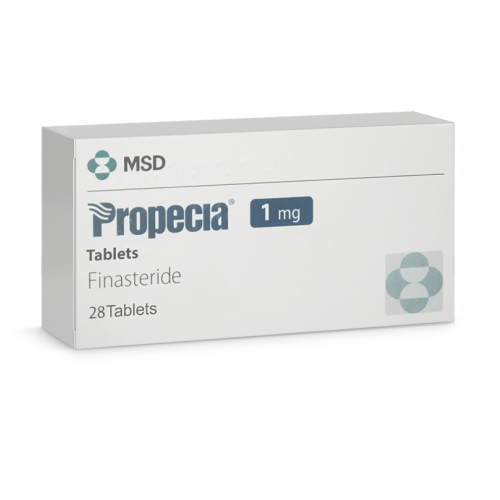
Propecia (finasteride) is a prescription medication used to treat male pattern hair loss in the United States. It works by lowering levels of DHT, the hormone that shrinks hair follicles. Before starting Propecia, patients should know it’s highly effective for many, but not all, and its side effects—though uncommon—can be significant and sometimes unexpected.
Propecia or Something Else? Making the Choice That Fits Your Life
For men noticing thinner hair in the mirror, the decision to start Propecia often feels like a fork in the road. Over-the-counter products crowd the shelves, friends swear by vitamins, and then there’s the prescription—Propecia—looming with its promises and warnings. The pressure doesn’t come just from wanting regrowth. It’s about control: regaining what feels lost, or preventing what’s next.
But is Propecia the right fit for your situation? The key question isn’t “Will it work for everyone?”—it’s “Will it work for me, and is it worth the trade-offs?” Clinical guidelines in the United States back Propecia as a first-line option for male pattern hair loss, technically known as androgenetic alopecia. It’s the only oral prescription medication with robust, long-term evidence for slowing—or even reversing—hair loss on the crown and mid-scalp. No supplement, no topical, not even minoxidil, matches that particular track record for men. But effectiveness isn’t the whole story.
For some, taking a daily pill becomes as routine as brushing their teeth. For others, every pill brings anxiety about side effects or disappointment over slow progress. United States patients want results, but they also want transparency about risks and realistic expectations about what “success” means.
- Propecia works best for men with mild to moderate hair loss at the crown or mid-scalp. It does much less for receding hairlines.
- Impatience is the enemy. Months may pass before visible change occurs (or doesn’t).
- Stopping the medication means benefits may reverse—sometimes rapidly.
- Side effects exist. Most are mild, but a few are disruptive and for a small minority, persistent.
- It’s prescription-only in the U.S.—no shortcuts around your doctor or pharmacist.
Choosing Propecia is about weighing hope against reality and convenience against cost. Every patient’s calculus is different. The rest of this article unpacks those trade-offs—no sugarcoating, no scare tactics, just what you need to make the call for yourself.
How Propecia Actually Works—And Why That Matters for You
Hair loss isn’t just about genetics—it hinges on hormones, specifically dihydrotestosterone (DHT). Propecia’s active ingredient, finasteride, blocks the enzyme (type II 5-alpha-reductase) that converts testosterone to DHT. Lowering DHT levels in the scalp slows or even reverses the miniaturization of hair follicles that defines male pattern baldness.
Most over-the-counter options never touch this pathway. Minoxidil, for example, increases blood flow but doesn’t address DHT. Supplements and “natural” solutions rarely have evidence beyond anecdote. Only finasteride, in oral form, targets the hormone at the heart of the process.
- DHT
- The hormone that triggers miniaturization of hair follicles in genetically susceptible men.
- 5-alpha-reductase
- An enzyme that converts testosterone to DHT. Finasteride blocks this enzyme.
- Finasteride
- The active ingredient in Propecia that reduces DHT, slowing or halting hair loss in most men.
This mechanism matters because it sets Propecia apart. It is not a cosmetic cover-up. It’s not a quick fix. It’s a long game—quietly shifting the hormonal balance on your scalp. What you won’t see: instant regrowth. What you may see, after months: the slow stabilization of hair loss, maybe some new hair where there was none. And if you stop? DHT levels rebound. Hair loss often resumes—sometimes faster than before.
United States guidelines emphasize that the anti-DHT effect is most potent on the crown and mid-scalp. If your main concern is a receding hairline, expectations should be modest. Understanding this mechanism helps set realistic goals—and prevents disappointment down the line.
Real Results: What to Expect from Propecia Month by Month
Every patient wants to know: “How soon will I see results?” The honest answer—rarely said aloud—is that Propecia rewards patience, not urgency. Clinical trials and real-world experience agree: measurable slowing of hair loss occurs in three to six months for most men. Visible regrowth, if it happens, usually arrives between six months and a year. Some men see nothing they can notice with the naked eye but find that shedding slows or stops. For others, the change is obvious in old photos side-by-side with the present.
No two timelines are the same. Hair follicles cycle unpredictably. Genetics, age, pattern of loss—each alters the curve. There’s also the hard-to-swallow truth: some men will not respond, no matter how perfectly they follow the regimen.
- First 3 months: Shedding may continue. Some men worry this means failure; in reality, it’s often just the hair cycle resetting.
- 3-6 months: Shedding slows for most. “Baby hairs” may appear along the crown.
- 6-12 months: Regrowth, if it occurs, usually appears now. For many, progress means simply holding the line against further loss.
- After 12 months: Time to assess. Lack of visible change doesn’t always mean no effect—sometimes it’s about what didn’t get worse.
Stopping Propecia means losing any ground gained. In most cases, hair loss resumes within one year, and any regrowth is often lost. This isn’t a “try it and see” medication—it’s a commitment if you want lasting results.
Fitting Propecia Into Your Daily Routine—The Details That Make or Break Success
One small pill, once a day. It sounds simple, and for many, it is. But success with Propecia depends on the details: same time daily, with or without food, and a steady routine. Missed doses once in a while aren’t catastrophic, but chronic forgetfulness undercuts the medication’s effect. Consistency is how you “earn” any benefit Propecia can deliver.
- Set a daily reminder—phone alarms outlast good intentions.
- Store Propecia in a safe, dry place—away from children and pregnant women, as the crushed or broken tablet can cause harm if handled by women who are or may become pregnant.
- Don’t double up if you miss a dose. Just take the next tablet at your usual time.
Your doctor should review your medical history and current medications before prescribing Propecia. There are few drug interactions, but it’s wise to mention any other treatments—especially those for prostate issues, as higher doses of finasteride (5 mg) are used for benign prostatic hyperplasia.
This commitment isn’t only about pill swallowing. It’s about regular check-ins with your prescribing provider—typically every 6 to 12 months in the U.S.—to monitor for efficacy and side effects. Some providers will check prostate-specific antigen (PSA) levels, especially if you’re over 50, as Propecia can lower PSA and complicate prostate cancer screening.
Which Side Effects Matter Most with Propecia—and When to Act
Every medication has its price, and Propecia is no exception. For most men, side effects are mild or absent. But a minority experience symptoms that can disrupt daily life or even persist after stopping treatment. The most common concerns are sexual: decreased libido, erectile dysfunction, and ejaculation disorders. These affect roughly 1-2% of patients in clinical trials, though rates vary in real-world reports.
Other effects—breast tenderness, swelling, rash, depression, or anxiety—are less common but warrant attention. Rarely, breast lumps or nipple discharge signal a need for immediate medical evaluation. There have also been reports of “post-finasteride syndrome”—ongoing symptoms even after discontinuation. The evidence for this is still evolving; U.S. regulators acknowledge it but have not established a definite causal link.
| Side Effect | Frequency | When to Contact Your Doctor |
|---|---|---|
| Decreased libido | 1-2% | If persistent or distressing |
| Erectile dysfunction | 1-2% | If persistent or affecting quality of life |
| Breast tenderness/swelling | <1% | If lump or nipple discharge occurs—immediately |
| Depression/anxiety | Rare | If mood changes are significant or worsening |
| Rash or allergic reaction | Rare | If severe or rapidly spreading—immediately |
| Persistent side effects after stopping | Very rare | If symptoms last more than a few weeks, discuss with your provider |
What does this mean in practice? Most men will never experience these issues, but those who do can find them deeply frustrating. Open communication with your provider is key. Don’t “wait it out” if side effects are concerning. Many will resolve after stopping Propecia, but not always—early discussion prevents regret and helps guide next steps.
A Physician’s Take: When Propecia Is—and Isn’t—Worthwhile
“What we see in practice is that Propecia gives the most meaningful benefit to men who start treatment early—ideally in the first years of visible hair loss. The experience with late-stage or extensive thinning is less impressive. If a patient expects a full reversal, disappointment is likely. But for holding the line or regaining subtle density at the crown, it remains our mainstay. I always discuss the potential for sexual side effects up front, not to discourage, but to make sure no one is blindsided. The real art is matching the medication to the patient’s priorities—some value even modest regrowth highly, others would never trade sexual side effects for a few more hairs. We revisit the decision together every year.”
How Propecia Stacks Up: Comparing Hair Loss Medications in the U.S.
| Attribute | Propecia (finasteride 1mg) | Minoxidil (topical) | Over-the-Counter Supplements |
|---|---|---|---|
| Indication | Male pattern hair loss (crown, mid-scalp) | Male/female pattern hair loss (topical use) | No FDA-approved hair loss indication |
| Mechanism | Blocks DHT production | Increases scalp blood flow | Varies; mostly unproven |
| Onset of effect | 3-6 months for slowing loss; 6-12 months for regrowth | 2-4 months for slowing loss/regrowth | Unknown |
| Effectiveness (evidence-based) | Strong evidence for most men | Moderate evidence, best for early loss | Poor or no high-quality evidence |
| Common side effects | Sexual dysfunction (1-2%), mood changes (rare), breast changes (rare) | Scalp irritation, itching | Unknown or minimal (but safety not verified) |
| Prescription required in U.S.? | Yes | No (topical) | No |
| Typical monthly cost | $15-80 (generic/brand) | $10-40 | Highly variable ($5-50+) |
| Insurance/reimbursement | Rarely covered | Rarely covered | Not covered |
The bottom line: Propecia is the only oral prescription medication with strong evidence for slowing or reversing hair loss in men. Minoxidil offers a non-prescription option that can be effective, especially for those wary of systemic side effects, but usually delivers more modest results. Supplements are rarely supported by rigorous evidence and may drain wallets without affecting hair. Your choice should match your goals, tolerance for risk, and willingness to commit to long-term use.
Getting Propecia in the U.S.: Prescription, Cost, and Access
No legitimate shortcut exists: Propecia requires a prescription in the United States. This means a visit—virtual or in-person—to a licensed healthcare provider. Some telemedicine platforms now offer streamlined consultations for hair loss, but oversight remains. The U.S. Food and Drug Administration (FDA) regulates all finasteride products for hair loss, branded and generic.
- Pharmacies—both brick-and-mortar and regulated online pharmacies—can dispense Propecia after your provider sends the prescription. Avoid “gray market” or overseas vendors; counterfeit risk is real and legal protections are few.
- Generic finasteride costs less than brand-name Propecia. Both are equally effective according to U.S. law and clinical data.
- Insurance rarely covers Propecia for hair loss. Most patients pay out of pocket, with monthly costs ranging from $15 (generic) to $80 (brand).
Patients sometimes try to obtain the 5 mg finasteride tablets (approved for prostate conditions) and split them to approximate the 1 mg Propecia dose. While this can lower costs, it may result in uneven dosing and risks exposure to others in the home. Discuss any “off-label” approaches with your provider; not all are appropriate or safe. Pharmacies in the U.S. are required to dispense medication in child-resistant containers and provide counseling, especially for prescription-only drugs like Propecia.
When Not to Take Propecia: Absolute and Relative Contraindications
- You are female, especially if pregnant or may become pregnant. Finasteride can cause birth defects in a developing male fetus. Even handling crushed tablets can be dangerous for pregnant women.
- You are a child or adolescent. Propecia is not approved for use in anyone under 18 and has not been shown to be safe or effective in this group.
- You have a known allergy to finasteride or any of its components. Allergic reactions, while rare, can be serious.
- Liver disease—Propecia is processed in the liver. Dose adjustments may be necessary or it may be inadvisable.
- History of prostate cancer—finasteride can lower PSA levels, potentially masking the detection of prostate cancer.
- Concurrent use of other 5-alpha-reductase inhibitors—combining medications is rarely recommended except under specialist supervision.
These warnings aren’t just fine print. For men, the main issues are liver function and prostate monitoring, both of which your provider will assess. For women of childbearing potential, even casual exposure is a clear and present risk. If you’re unsure where you fit, a frank discussion with your provider is the safest path.
Frequently Asked Questions About Propecia in the U.S.
- Is there a difference between Propecia and generic finasteride for hair loss?
- No significant difference in effectiveness or safety. Generic finasteride 1 mg is FDA-approved for the same indication and is less expensive. Always ensure you receive the 1 mg tablet for hair loss and not the higher dose intended for prostate conditions.
- How long do I need to take Propecia?
- As long as you want to maintain the benefits. Stopping leads to resumed hair loss and loss of any regrowth within months. Most men who respond well continue therapy indefinitely, with regular check-ins.
- Can Propecia be used at the same time as minoxidil?
- Yes, and many men do. Combining oral finasteride with topical minoxidil is common and may provide additive benefit, especially in early or moderate hair loss. Always discuss with your provider to tailor the approach to your needs.
- Does Propecia affect fertility or testosterone levels?
- Propecia does not significantly reduce testosterone levels. Some evidence suggests it may slightly lower semen volume or sperm count, but these effects are usually reversible after stopping. If fertility is a concern, discuss this with your provider before starting.
- What should I do if I miss a dose?
- Simply take your next regular dose. Do not double up. Missing an occasional dose will not substantially affect results, but consistent daily use is best for efficacy.
- Are there any lifestyle changes I should make while taking Propecia?
- No specific lifestyle changes are required. Focus on medication adherence and routine follow-up with your provider. Report any side effects promptly. Hair loss is not affected by diet or exercise directly, but overall health supports better outcomes.
- Is “post-finasteride syndrome” real?
- This is an area of ongoing research. Some men report persistent sexual, psychological, or physical side effects after stopping finasteride, though studies have not conclusively proven a cause. U.S. regulators acknowledge these reports but have not changed prescribing recommendations. Discuss any concerns openly with your provider.
References
- U.S. Food and Drug Administration: Finasteride Labeling
- American Academy of Dermatology: Hair Loss Clinical Guidelines
- Mayo Clinic: Finasteride Oral Route—Description and Brand Names
- PubMed: Finasteride for Androgenetic Alopecia—Clinical Trials Overview
- Propecia Prescribing Information, Merck & Co.
- ClinicalTrials.gov: Finasteride Studies in Hair Loss
- National Health Service (UK): Finasteride for Hair Loss