- Home/
- Buy Prednisolone at Low Price in the United States Online
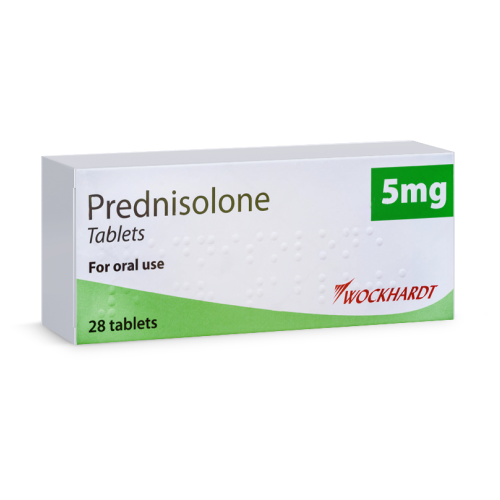
Is Prednisolone Available Without a Prescription in the United States?
Prednisolone is a prescription-only medication in the United States. You must have a valid prescription from a licensed healthcare provider to obtain it legally.
Key Takeaways: What Patients Need to Know About Prednisolone
- Prednisolone is most suitable for treating moderate to severe inflammatory conditions when other treatments are insufficient or inappropriate.
- Effects may begin within hours, but full benefits often take several days, depending on the condition being treated.
- A prescription is required in the United States; it is not legally available without one.
- Main benefits: Rapid reduction of swelling, redness, and pain in inflammatory and autoimmune disorders.
- Important safety consideration: Long-term use can cause serious side effects — always follow your doctor’s instructions closely.
- Consult your doctor immediately if you experience mood changes, vision disturbances, or signs of infection.
How Does Prednisolone Work in the Body?
Prednisolone is a synthetic glucocorticoid, which means it mimics the effects of cortisol, a hormone naturally produced by the adrenal glands. It acts primarily by binding to intracellular glucocorticoid receptors, which then move into the cell nucleus and influence gene expression. This process suppresses the production of pro-inflammatory mediators (such as cytokines, prostaglandins, and leukotrienes) and reduces the activity of immune cells responsible for inflammation and immune responses.
On a biochemical level, prednisolone inhibits phospholipase A2, an enzyme involved in the synthesis of arachidonic acid, a precursor to inflammatory prostaglandins and leukotrienes. It also downregulates the expression of adhesion molecules, decreasing the movement of immune cells to sites of inflammation.
Metaphor: Imagine a fire alarm system in your body that triggers when there’s damage or infection. Prednisolone acts like a central controller that turns down the volume of the alarm and reduces the number of firefighters (immune cells) being sent, calming the chaos but not fixing the underlying cause.
Myth vs Reality:
Myth: Prednisolone eliminates the cause of disease.
Reality: Prednisolone reduces the body’s response to inflammation but does not address the underlying cause.
Prednisolone works independently of external triggers but must be present in the bloodstream at adequate levels to exert its effect. It does not require any particular dietary or environmental condition for efficacy, but absorption and timing may be affected by certain foods or medications (see below).
Patients Often Expect Immediate Results — The Clinical Reality of Prednisolone
In my practice, patients frequently come in expecting prednisolone to “fix” their symptoms within hours, regardless of the condition. While some effects, like reduction in swelling or breathing improvement (in asthma), may be noticeable within 12–24 hours, others take longer. It’s important to know that visible improvements can lag behind the biological changes taking place. I also notice that patients rarely ask about the long-term impact — they focus on symptom relief, not on the risk of side effects or the plan for tapering the dose. Another common oversight is underestimating how important it is to complete the full prescribed course, even if symptoms resolve early. Finally, many people don’t realize that mood changes and sleep disturbances are not uncommon, and might not connect them to the medication unless prompted.
How Should I Take Prednisolone?
Prednisolone is available in several forms in the United States, including tablets, oral solution, and injectable formulations. Most commonly, tablets are prescribed for outpatient management.
- Standard starting dose: Varies by condition. For adults with moderate inflammation, typical starting doses range from 5 mg to 60 mg daily. Asthma flare: 40 mg daily; rheumatoid arthritis: 5–15 mg daily; severe allergic reactions: up to 60 mg daily (always individualized).
- Maximum daily dose: Doses above 80 mg per day are rarely prescribed except in hospital settings due to risk of severe side effects; never exceed your doctor’s dosing instructions.
- Tapering: If you need the medication for more than a few days, your doctor will usually create a plan to gradually reduce (taper) the dose to avoid adrenal insufficiency.
- When to take: Usually taken in the morning with food to mimic the body’s natural cortisol rhythm and minimize stomach upset.
- Splitting tablets: Many generic prednisolone tablets can be split, but always check with your pharmacist, as some formulations may not be scored.
- Missed dose: Take the missed dose as soon as you remember unless it’s nearly time for your next dose. Do not double up to make up for a missed dose.
- Duration of action: Oral prednisolone typically acts within 1–2 hours. The clinical effect may last 12–36 hours, depending on the indication and dose.
Always follow your doctor’s instructions. Do not change your dose or stop suddenly without medical advice.
Prednisolone and Food, Alcohol, and Lifestyle: What You Need to Know
- With food: Take prednisolone with food or milk to reduce stomach irritation.
- Fatty meals: High-fat meals can delay absorption slightly but do not reduce the overall amount absorbed.
- Grapefruit juice: May increase the level of prednisolone in your blood by inhibiting CYP3A4 enzymes, potentially raising the risk of side effects. It’s best to avoid grapefruit products.
- Alcohol: Combining prednisolone with alcohol increases the risk of gastrointestinal bleeding and ulcers. Occasional small amounts (e.g., 1 drink/day) may be tolerated in low-risk patients, but avoid alcohol altogether if you have or are at risk for digestive, liver, or psychiatric problems.
- Lifestyle: Prednisolone can increase blood sugar and blood pressure. Monitor regularly, especially if you have diabetes or hypertension. It may also increase your risk of infection; avoid unnecessary exposure to sick contacts.
Who Should Not Use Prednisolone? (Contraindications)
- Absolute contraindications (never use):
-
- Active, uncontrolled systemic infections (exceptions: when used as adjunct therapy in septic shock under specialist supervision).
- Known hypersensitivity or allergy to prednisolone or its excipients.
- Live or attenuated vaccine administration during high-dose or long-term therapy (risk of severe infection).
- Relative contraindications (use with caution):
-
- History of peptic ulcer disease, gastrointestinal bleeding, or recent GI surgery (risk of perforation or worsened bleeding).
- Uncontrolled diabetes mellitus (prednisolone can raise blood sugar significantly).
- Hypertension or recent myocardial infarction (prednisolone may cause fluid retention and worsen heart risk).
- Severe osteoporosis (prednisolone accelerates bone loss).
- Glaucoma or cataract history (risk of worsening eye disease).
- Mental health conditions, especially psychosis or bipolar disorder (risk of exacerbation).
- Severe liver or kidney impairment: Dose adjustments may be necessary; use only with specialist input.
- Pregnancy and breastfeeding: Use only if benefits clearly outweigh risks. Prednisolone does cross the placenta and appears in breast milk, especially at higher doses.
After a recent heart attack, prednisolone should only be used under strict medical supervision due to increased risk of cardiac rupture and arrhythmias. Always inform your healthcare provider of your full medical history before starting treatment.
What Side Effects Are Most Common with Prednisolone?
Like all corticosteroids, prednisolone may cause side effects, especially at higher doses or with prolonged use. Here is a breakdown by frequency, per World Health Organization classification:
-
Very common (>1 in 10):
- Increased appetite and weight gain
- Insomnia (difficulty sleeping)
- Mood changes (irritability, anxiety)
- Elevated blood sugar (may trigger diabetes in susceptible individuals)
- Fluid retention and swelling
-
Common (1 in 10 to 1 in 100):
- High blood pressure
- Indigestion, heartburn
- Muscle weakness
- Thinning of skin, easy bruising
- Delayed wound healing
- Menstrual irregularities
- Increased risk of infections
-
Rare (1 in 1,000 to 1 in 10,000):
- Peptic ulcers, gastrointestinal bleeding or perforation
- Psychosis, mania, severe depression
- Aseptic bone necrosis (especially of the hip)
- Cataracts, glaucoma
- Heart arrhythmias
-
Very rare (<1 in 10,000):
- Pseudotumor cerebri (increased pressure in the brain)
- Pancreatitis
- Severe allergic reaction (anaphylaxis)
If you experience sudden vision changes, severe mood swings, confusion, signs of infection (fever, sore throat), or severe abdominal pain, seek medical attention immediately.
Mistakes Patients Commonly Make When Using Prednisolone — And How to Avoid Them
-
Stopping Prednisolone Abruptly
Many patients discontinue the medication once they feel better, especially after a few days. This can cause adrenal crisis — a life-threatening drop in cortisol. Avoidance: Always follow your doctor’s instructions for tapering. -
Taking Doses at Irregular Times
Corticosteroids work best when taken at the same time each day, usually in the morning. Changing timing may cause insomnia, mood swings, or reduced effectiveness. Avoidance: Set a daily reminder. -
Ignoring Blood Sugar or Blood Pressure Monitoring
Especially in people with diabetes or hypertension, prednisolone can cause dangerous spikes. Avoidance: Monitor regularly and report any significant changes to your healthcare provider. -
Combining with NSAIDs (like ibuprofen) Without Medical Advice
This increases the risk of stomach ulcers and bleeding. Avoidance: Check with your doctor before adding any new medications. -
Overlooking Infection Risk
Prednisolone suppresses your immune response. Patients may not recognize infections early. Avoidance: Promptly report fever, cough, or wounds that do not heal. -
Not Notifying Other Providers
Some patients neglect to tell dentists, surgeons, or other specialists about their corticosteroid use, risking dangerous interactions or complications. Avoidance: Always inform every healthcare provider you see.
How Does Prednisolone Compare to Similar Medications for Inflammation?
The primary oral corticosteroid alternatives in the United States are prednisone and methylprednisolone. Here is a structured comparison:
| Medication | Onset of Action | Duration | Estimated Cost (per 20mg tablet, USD) | Side Effect Profile | Notes |
|---|---|---|---|---|---|
| Prednisolone | 1–2 hours | 12–36 hours | $0.10–$0.50 (generic) | Classic glucocorticoid profile | Ready-to-active form; preferred in liver impairment |
| Prednisone | 1–2 hours (converted in liver) | 12–36 hours | $0.08–$0.30 (generic) | Very similar | Requires liver activation; not suitable for severe liver disease |
| Methylprednisolone | 1–2 hours | 18–40 hours | $0.40–$1.00 (generic) | Slightly lower mineralocorticoid effects (less fluid retention) | Often preferred for certain rheumatologic conditions |
Bottom line: Prednisolone and prednisone are nearly interchangeable for most indications, but prednisolone is preferred in patients with liver impairment. Methylprednisolone may have fewer fluid retention effects.
Prednisolone: Key Technical Specifications
| Parameter | Value |
|---|---|
| Available formulations | Tablets (1, 5, 10, 20, 50 mg); oral solution; injection (by prescription only) |
| Duration of action | 12–36 hours (oral) |
| Peak plasma concentration | 1–2 hours after oral dose |
| Half-life | 2–4 hours (elimination); effect lasts longer due to genomic mechanisms |
| Metabolism | Primarily hepatic (CYP3A4) |
| Excretion | Mostly urine (as inactive metabolites) |
| Storage requirements | Room temperature (68–77°F/20–25°C); protect from moisture and light |
| Prescription required | Yes, in all states |
Compatibility Checklist: Prednisolone with Other Medications or Products
| Product Type | Can Combine? | Potential Consequences |
|---|---|---|
| Acetaminophen (Tylenol) | Yes | No significant interaction |
| Ibuprofen/NSAIDs | Caution | Increased risk of ulcers and bleeding |
| Insulin/oral diabetes meds | Yes (adjustment may be needed) | Blood sugar may rise; dose changes often required |
| Live vaccines | STRICTLY NO | Increased risk of severe infection |
| Alcohol | Avoid | Higher risk of GI bleeding, mood effects |
| Grapefruit juice | Avoid | May increase drug level and side effects |
| Herbal/supplements | Caution | Many potential interactions — always check with your doctor |
What Happens to Prednisolone After You Take It? (Pharmacokinetics Explained)
- Absorption: Prednisolone is rapidly absorbed after oral administration, with peak blood levels reached in 1–2 hours.
- Distribution: It is widely distributed throughout the body and crosses the placenta and, at higher doses, into breast milk.
- Metabolism: The liver metabolizes prednisolone primarily via the CYP3A4 enzyme system. Patients with severe liver impairment may have altered drug levels.
- Excretion: Inactive metabolites are excreted mainly in the urine. Only a small amount is eliminated unchanged.
- Half-life: The elimination half-life is 2–4 hours, but its biological effects last much longer because it alters gene expression.
In short: Prednisolone’s effects can persist for up to 36 hours, even after most of the drug has left the bloodstream.
Special Considerations for Specific Patient Groups
- Elderly patients: More susceptible to side effects such as osteoporosis, skin thinning, and blood sugar changes. Lower starting doses and close monitoring may be required.
- Children: Prolonged use can impair growth; dosing is weight-based and monitored by a pediatric specialist.
- Pregnancy: Prednisolone crosses the placenta but is often used when benefits outweigh risks (e.g., severe asthma exacerbation). Lowest effective dose is preferred.
- Breastfeeding: Small amounts may appear in breast milk, especially at high doses. Short-term, low-dose use is usually considered compatible; timing feeds to avoid peak drug levels is sometimes recommended.
- Chronic kidney/liver disease: May require dose adjustment and specialist input.
- Mental health conditions: Prednisolone can worsen psychiatric symptoms — caution and monitoring are essential.
- Ability to drive or operate machinery: Prednisolone does not directly impair driving, but mood changes, vision disturbances, or muscle weakness may increase risk. Use caution if affected.
- Fertility: No direct effect has been reported, but underlying disease and systemic inflammation may influence fertility status.
Prednisolone: Brand Name vs. Generic — What’s the Difference?
Brand-name prednisolone (e.g., Millipred®, Orapred®) and generic formulations contain the same active ingredient, strength, and therapeutic effect. The main differences are in the excipients (inactive ingredients), appearance, and packaging.
- Generics are FDA-approved and must meet strict bioequivalence standards.
- Cost is significantly lower for generics ($0.10–$0.50 per tablet), while brand names may be $1 or more per tablet.
- Some patients notice differences in shape, color, or taste, but therapeutic effect should not differ.
- If you have allergies to specific dyes or fillers, check the ingredient list for your specific generic or consult your pharmacist.
Advantage of generics: Substantial cost savings with equivalent medical benefit for the vast majority of patients.
Step-by-Step: How to Get Prednisolone in the United States
- Schedule a consultation with a licensed healthcare provider. This may be your primary care doctor, a specialist (e.g., rheumatologist), or via a telehealth service.
- Undergo a medical assessment: Your provider will review your symptoms, medical history, and determine if prednisolone is appropriate.
- Receive a prescription: If appropriate, your doctor will provide a written or electronic prescription for the medication.
- Fill your prescription at a licensed pharmacy: You can go to a local pharmacy or use a verified mail-order service.
- Follow up as directed: Regular monitoring may be required, especially for long-term therapy.
How to Identify Legitimate Online Pharmacies in the United States
- Look for pharmacy accreditation: The National Association of Boards of Pharmacy (NABP) operates the .pharmacy Verified Websites Program. Legitimate online pharmacies display the .pharmacy seal.
- Require a valid prescription: Any online pharmacy offering prednisolone without a prescription is not legitimate and may be selling counterfeit or unsafe products.
- Physical address and contact information: A legitimate pharmacy will display a U.S. address and a way to contact licensed pharmacists.
- Check for licensure: You can look up pharmacy licenses on your state board’s website.
- Beware of “too good to be true” prices: Unusually low prices or offers to “ship worldwide” with no prescription are common red flags.
- Consumer protection: Purchases from verified U.S. pharmacies are protected by consumer laws and FDA oversight; purchases from unregulated sources are not.
How to Spot Counterfeit Prednisolone: Quality and Safety Checks
- Check packaging: Legitimate products come in sealed blister packs or bottles with clear labeling (drug name, strength, lot number, expiration date, manufacturer).
- Look for security features: Many U.S. manufacturers include QR codes, holograms, or other anti-tampering seals. Always scan or check codes if available.
- Tablet appearance: Original tablets are usually white or off-white, round or oval, with standard imprint codes (e.g., “54 375” for 5 mg). No chalky residue, unusual color, or misspelled labels.
- Generic vs. brand: Both are legitimate if FDA-approved and dispensed by a licensed pharmacy. Generics may look different but are required to meet the same standards of safety and efficacy.
- Price as a warning sign: If the price is far below the typical U.S. market range, or if the seller does not require a prescription, the product is likely counterfeit or “grey market.”
Quality Check: If in doubt, consult your pharmacist. Never use prednisolone from unlicensed or unverifiable sources.
What Should I Do If I Take Too Much Prednisolone?
- Stop taking the medication immediately.
- Contact emergency services by calling 911 or your local poison control center (American Association of Poison Control Centers).
- Inform the medical professional about the dose, time taken, and any symptoms you are experiencing.
- Do not try to manage a suspected overdose on your own. Symptoms may include agitation, confusion, high blood sugar, or severe electrolyte imbalance.
Managing Inflammatory Conditions: Recognizing the Emotional Impact
Living with inflammatory diseases can be emotionally challenging. You are not alone; millions of Americans use medications like prednisolone to manage their conditions. If you are struggling with stress, anxiety, or mood changes, don’t hesitate to discuss these with your doctor or a mental health professional.
Questions Frequently Asked to doctor About Prednisolone Therapy
- How will I know if prednisolone is working for me?
- Usually, you’ll notice reduced swelling, pain, or improved breathing (for asthma) within a few days. Your doctor may also track lab results or physical exams to monitor progress.
- How long will I need to take prednisolone?
- The duration depends on your condition and response to treatment. Some courses last only a few days (for acute flares), while others may be weeks or longer for chronic diseases. Your provider will outline a plan tailored to you.
- What monitoring will I need while on prednisolone?
- You may need periodic blood tests for blood sugar, electrolytes, and kidney/liver function, especially if on long-term therapy. Blood pressure, weight, and eye exams are also recommended.
- Can I stop prednisolone if I feel better?
- No — always consult your doctor before stopping. Even if your symptoms have improved, abruptly discontinuing steroids can be dangerous.
- What should I do if I feel anxious or have trouble sleeping on prednisolone?
- These are recognized side effects. Let your doctor know; sometimes dose adjustment or timing changes can help. In some cases, other supportive treatments may be needed.
- Will prednisolone interact with my other medications?
- It can. Always provide your doctor and pharmacist with a list of all your medicines, including over-the-counter products and supplements, so they can check for interactions.
- Is weight gain inevitable with prednisolone?
- Not everyone gains weight, but increased appetite is common. Aim for a balanced diet, regular physical activity, and discuss concerns with your healthcare team.
doctor’s Practical Treatment Assessment: Who Really Benefits from Prednisolone?
In clinical practice, I most often prescribe prednisolone to patients with moderate to severe inflammatory or autoimmune diseases who have not responded to safer, first-line treatments such as NSAIDs or disease-modifying agents. Those with acute asthma exacerbations, severe allergic reactions, or flares of conditions like lupus or ulcerative colitis often benefit from short-term courses. However, prednisolone is not ideal for patients at high risk of steroid side effects: people with uncontrolled diabetes, significant osteoporosis, severe psychiatric history, or active peptic ulcers require special consideration or alternative options.
For long-term use, the benefit-risk profile must be reassessed regularly, and efforts should be made to minimize the dose and duration. In some cases, it’s preferable to use steroid-sparing agents or biologic therapies when safer. If a patient develops significant side effects or fails to show improvement within a reasonable timeframe, alternative strategies should be considered and discussed. Ultimately, prednisolone’s role is as a powerful, rapid-acting anti-inflammatory, best reserved for situations where the benefits clearly outweigh the risks.
Frequently Asked Questions About Prednisolone in the United States
- Is prednisolone available over the counter in the United States?
- No. Prednisolone requires a prescription from a licensed healthcare provider in all states.
- How quickly does prednisolone work?
- Most patients begin noticing effects within 1–2 days, but some improvement may be seen within hours for acute conditions.
- Can prednisolone be used for COVID-19?
- Corticosteroids like dexamethasone are sometimes used in severe COVID-19. Prednisolone may be used off-label if other agents are unavailable, but only under hospital supervision.
- How much does prednisolone cost in the United States?
- Generic prednisolone tablets range from $0.10 to $0.50 per 20 mg tablet. Brand names cost more. Insurance coverage varies.
- What are the most serious side effects of prednisolone?
- Serious risks include infection, gastrointestinal bleeding, psychiatric changes, and, with long-term use, osteoporosis and adrenal suppression.
- Can I drink alcohol while taking prednisolone?
- It is best to avoid alcohol. Combined use increases the risk of stomach ulcers and may worsen mood-related side effects.
- Do I need to taper prednisolone?
- Tapering is necessary if you have been taking the medication for more than a few days. Never stop abruptly; follow your doctor’s guidance.
- Are generics as effective as brand name prednisolone?
- Yes. FDA-approved generics are equivalent in efficacy and safety to the brand-name product.
- Is it safe during pregnancy or breastfeeding?
- Use only if clearly indicated; lowest effective dose is preferred. Discuss risks and benefits with your doctor.
- Can I get prednisolone shipped to my home?
- Yes, if you have a prescription, most licensed U.S. pharmacies (including some online and mail-order services) can deliver it to your address.
References
- U.S. Food & Drug Administration. Drug Approval Package: Prednisolone. Accessed June 2026. https://www.fda.gov/
- National Institutes of Health. Prednisolone: MedlinePlus Drug Information. Reviewed 2025. https://medlineplus.gov/druginfo/meds/a682795.html
- PubMed. Pharmacokinetics of Prednisolone and Clinical Applications. Accessed June 2026. https://pubmed.ncbi.nlm.nih.gov/
- Mayo Clinic. Prednisolone (Oral Route) Side Effects. Reviewed 2025. https://www.mayoclinic.org/drugs-supplements/prednisolone-oral-route/side-effects/drg-20075213
- ClinicalTrials.gov. Prednisolone clinical trial results. Accessed 2026. https://clinicaltrials.gov/
- American Association of Poison Control Centers. What to do in case of overdose. Accessed June 2026. https://www.poison.org/
- National Association of Boards of Pharmacy. Verified Pharmacy Program. Accessed June 2026. https://nabp.pharmacy/programs/dotpharmacy/
- Official manufacturer prescribing information for Prednisolone. Accessed June 2026. https://dailymed.nlm.nih.gov/dailymed/drugInfo.cfm?setid=7e1bc2c6-c680-4e19-a918-62c56e2e1e6a