- Home/
- Buy Glucophage at Low Price in the United States Online
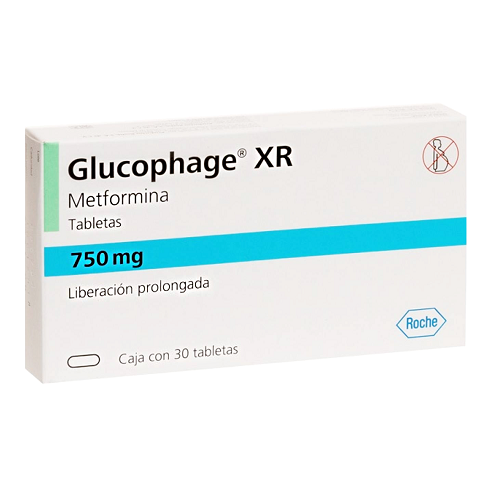
Glucophage in the United States: Essential Facts at a Glance
| Parameter | Value / Information |
|---|---|
| Active Ingredient | Metformin hydrochloride |
| Indication | Type 2 Diabetes Mellitus (adults, sometimes adolescents 10+) |
| Prescription Requirement (US) | Yes—Federal law requires a valid prescription |
| Typical Starting Dose | 500 mg once or twice daily, with meals |
| Main Contraindication | Severe kidney impairment (eGFR < 30 mL/min/1.73 m2) |
| Insurance Coverage | Commonly covered by Medicare, Medicaid, and most private plans |
| Generic Available? | Yes (multiple FDA-approved generics) |
| Cost (2026) | $4–$15/month (generic), $35–$60/month (brand) |
Bottom line: Glucophage is a prescription-only, FDA-approved form of metformin for Type 2 Diabetes, widely available and affordable in the US, but with important safety and dosing considerations.
Is Glucophage Available Without a Prescription in the United States?
No, Glucophage cannot be purchased legally without a prescription in the United States. The Food and Drug Administration (FDA) regulates metformin (the active ingredient in Glucophage) as a prescription medication. Dispensing without a valid doctor’s prescription is illegal and exposes patients to serious risks—including counterfeit products, incorrect dosing, and lack of medical oversight. Genuine Glucophage (or any metformin product) is only available through state-licensed pharmacies after a health provider’s evaluation.
Why is this so strict? Metformin can interact with other drugs and medical conditions, and rare but severe side effects (like lactic acidosis) require medical monitoring. The prescription process is there to protect you, not to create unnecessary hurdles.
How Does Glucophage (Metformin) Work in the Body?
Pharmacology Explained
Glucophage acts primarily by decreasing hepatic glucose production (the liver’s output of sugar), improving insulin sensitivity in peripheral tissues, and enhancing glucose uptake in muscles. Its biochemical mechanism involves activation of the AMP-activated protein kinase (AMPK) pathway, which downregulates gluconeogenesis (the process of generating glucose from non-carbohydrate sources).
In technical terms, metformin does not stimulate insulin release, so it typically does not cause low blood sugar (hypoglycemia) when used alone. Instead, it tunes the body’s metabolic “thermostat,” reducing excessive glucose in the blood and decreasing insulin resistance.
Metaphor: Imagine your liver is a sugar factory working overtime. Metformin tells the factory to slow down and helps the rest of your body use up the extra sugar.
Additional Effects
- May decrease LDL cholesterol and triglycerides modestly.
- Some evidence for weight neutrality or mild weight loss compared to other agents.
- Emerging research: Possible cardiovascular and anti-inflammatory benefits (ongoing studies as of 2026).
Does Glucophage work immediately? Not quite. While blood sugar levels may drop within days, full effect can take up to 2–4 weeks as the body adjusts.
Note: Glucophage requires functional kidneys to be cleared from the body; dose adjustments are critical in patients with renal impairment.
How to Take Glucophage: Dosing, Timing, and Adjustments
Standard Dosing
- Initial dose: 500 mg once or twice daily with meals to reduce stomach upset.
- Gradual titration: Increase by 500 mg every 7–14 days, as tolerated, to minimize GI side effects.
- Maximum daily dose: 2,000–2,500 mg/day (divided into 2–3 doses; lower for extended-release forms).
- Extended-release (XR): Usually started at 500 mg daily with the evening meal, titrated as needed.
Can You Split or Crush Glucophage Tablets?
- Immediate-release tablets may be split if scored.
- Do NOT split, crush, or chew extended-release (XR) tablets.
Dose Adjustments
- For elderly patients or those with mild kidney impairment (eGFR 30–45 mL/min/1.73 m2), consider lower starting and maximum doses.
- Discontinue if kidney function declines below eGFR 30.
- Temporary discontinuation is often necessary before radiologic procedures using iodinated contrast (to prevent kidney injury).
- Consult your doctor for all dose changes—never adjust on your own.
How Long Does Glucophage Last/Efficacy Window?
- Onset: Within several days (blood sugar lowering), but up to 2–4 weeks for maximal effect.
- Duration: Once-daily XR or twice/thrice-daily immediate-release maintains levels throughout the day.
- Half-life: 4–8.7 hours (longer in extended-release forms).
Myth vs Reality: Myth—Metformin works instantly. Reality—It may take days to weeks for full blood sugar-lowering benefits.
Food, Alcohol, and Lifestyle: What Affects Glucophage’s Absorption?
- Should Glucophage Be Taken with Food?
- Yes. Taking Glucophage with meals (preferably at the start) reduces the risk of gastrointestinal side effects like nausea or diarrhea.
- Does Fatty Food Change Its Effect?
- High-fat meals can slightly delay absorption but do not significantly reduce the effectiveness of metformin. The main concern is GI upset rather than efficacy.
- Alcohol: Is It Safe?
- Strict limitation recommended. Alcohol increases the risk of lactic acidosis—a rare but potentially fatal complication. Heavy drinking is contraindicated. Occasional, low-volume consumption (e.g., 1 standard drink) may be acceptable for some, but only after doctor approval.
- Grapefruit Juice?
- No clinically significant interaction is known with grapefruit juice for metformin. However, consult your doctor about all supplements and juices.
- Other Lifestyle Factors
- Dehydration, strenuous exercise, or severe illness can increase risk of side effects. Stay hydrated and discuss with your provider during illness.
If GI upset is severe, try smaller, more frequent meals and avoid spicy or fatty foods when starting therapy.
Who Should Not Take Glucophage? Absolute and Relative Contraindications
Absolute Contraindications
- Severe kidney impairment (eGFR < 30 mL/min/1.73 m2)
- Known hypersensitivity to metformin or product excipients
- Acute or chronic metabolic acidosis (including diabetic ketoacidosis)
- Active liver disease or significant hepatic impairment
- Acute alcohol intoxication, alcoholism
Relative Contraindications (Use with Caution)
- Moderate kidney impairment (eGFR 30–45): Lower dose, close monitoring
- History of heart failure or recent heart attack: Risk of lactic acidosis may be increased
- Advanced age (65+): Monitor kidney function carefully
- Pregnancy: Generally not first-line; consult endocrinologist
- Planned radiologic imaging with contrast: May require temporary discontinuation
Why is severe kidney disease a red flag? Because metformin is excreted unchanged by the kidneys. Impaired filtration leads to dangerous accumulation and risk of lactic acidosis.
Always inform your provider of all current medications and conditions before starting metformin.
What Side Effects Are Most Common with Glucophage?
| Frequency | Side Effect | Mechanism |
|---|---|---|
| Very common >1 in 10 patients |
Gastrointestinal: nausea, diarrhea, abdominal discomfort, loss of appetite | Direct effect on GI tract motility and absorption |
| Common <1 in 10 |
Metallic taste in mouth | Altered taste receptor function |
| Rare <1 in 1000 |
Vitamin B12 deficiency (with long-term use) | Reduced absorption in gut |
| Very rare <1 in 10,000 |
Lactic acidosis (life-threatening) | Lactate accumulation, especially if kidneys/liver impaired |
| Unknown/Not reported | Rash, urticaria, liver function test abnormalities | Immune/Idiosyncratic |
What to do if side effects occur?
- Mild GI upset: Take with food, consider slower titration. Usually improves over time.
- Severe diarrhea, vomiting, or weakness: Stop medication and contact your healthcare provider immediately.
- Symptoms of lactic acidosis (deep rapid breathing, drowsiness, muscle pain, abdominal discomfort): Seek emergency care—call 911.
- Sustained numbness/tingling: Have your vitamin B12 levels checked.
Most side effects are mild and transient. Serious reactions are rare but require urgent attention.
How Does Glucophage Compare to Other Type 2 Diabetes Medications?
| Parameter | Glucophage (Metformin) | SGLT2 Inhibitors (e.g., empagliflozin) |
GLP-1 Agonists (e.g., semaglutide) |
|---|---|---|---|
| Onset of Action | Days to weeks | Within days | Days to weeks |
| Hypoglycemia Risk (alone) | Low | Low | Low |
| Weight Impact | Neutral or slight loss | Loss | Loss |
| Major Side Effects | GI upset, rare lactic acidosis | Genital/urinary infections, dehydration | Nausea, vomiting, pancreatitis risk |
| Average Cost (US, 2026) | $4–$60/month | $400–$550/month | $850–$1100/month |
| Insurance Coverage | High (most plans) | Varies, generally improving | Varies, prior authorization often required |
| Cardiovascular Benefit | Possible, ongoing research | Yes (proven for heart failure/CV risk) | Yes (proven for CV risk reduction) |
Bottom line: Glucophage remains the first-line choice for most adults with new Type 2 Diabetes in the US due to its proven safety, effectiveness, and low cost. SGLT2 inhibitors and GLP-1 agonists are considered when additional glucose lowering or weight loss—or cardiovascular benefit—is needed, but they are much more expensive and have different side effect profiles.
Key Characteristics Table: Glucophage at a Glance
| Brand Names (US) | Glucophage, Glucophage XR, Fortamet, Glumetza, Riomet |
| Available Formulations | 500 mg, 850 mg, 1000 mg tablets; 500–1000 mg XR; Oral solution (Riomet 500 mg/5 ml) |
| Bioavailability | 50–60% (oral, fasting) |
| Metabolism | Not metabolized—excreted unchanged in urine |
| Elimination Half-life | 4–8.7 hours (immediate); up to 17 hours (XR) |
| Excretion | Renal (via kidneys)—dose adjust for impairment |
| Pregnancy Category (US FDA 2026) | B (not first-line; use only if clearly needed) |
| Controlled Substance? | No |
| Can You Drive? | Yes, unless hypoglycemia occurs (rare with metformin alone) |
How to Obtain Glucophage Legally in the United States: Step-by-Step Guide
- Schedule a Medical Consultation: Visit your primary care provider, endocrinologist, or certified diabetes educator in-person or via licensed telemedicine platforms (e.g., Teladoc, Amwell, or health systems in New York, Los Angeles, Chicago, etc.).
- Assessment and Labs: Your doctor will assess your symptoms, review your medical history, and order blood tests (including kidney function and A1c).
- Prescription Issued: If appropriate, your provider will send an electronic prescription (eRx) directly to your chosen pharmacy.
- Fill at a Licensed Pharmacy: Pick up Glucophage at any state-licensed retail or mail-order pharmacy. Online pharmacies must be NABP-accredited (look for the .Pharmacy seal).
- Insurance and Payment: Provide your insurance info. Copays are usually low for generics; ask about manufacturer coupons if uninsured.
- Follow-Up: Schedule regular follow-up appointments for lab monitoring and dose adjustments—especially during the first 3–6 months.
Caution: Never attempt to import Glucophage from unlicensed overseas websites. US Customs may seize such packages, and you risk exposure to counterfeit or substandard products.
How to Identify Genuine Glucophage and Avoid Counterfeits
What Should Authentic Glucophage Look Like?
- Packaging: Box or blister pack with the “Glucophage” brand, manufacturer (Bristol Myers Squibb or generic manufacturer), and NDC number (National Drug Code).
- Tablet Imprints: Each tablet carries a unique imprint code (e.g., “BMS 6060” for 500 mg). Verify with your pharmacist or on the FDA’s NDC Directory.
- Appearance: White, round or oval tablets (500 mg often scored, XR larger and oblong). No unusual color, odor, or powder residue.
- Labels: Must list active ingredient, dosage, lot number, expiration date, and dispensing pharmacy.
- Security Features: Many US pharmacies use tamper-evident seals, QR codes for authenticity, and NABP-accredited pharmacy labels.
Red Flags for Counterfeit or “Grey Market” Glucophage
- Unusually low prices (less than $1/month) or websites selling without a prescription
- Missing or poorly printed packaging, spelling errors, or mismatched tablets
- Different taste, odor, or tablet markings from previous prescriptions
- Product shipped from outside the US, especially without tracking or proper documentation
Generics vs Brand: What’s the Difference?
- Generics: Same active ingredient, strength, and efficacy as Glucophage—FDA requires strict bioequivalence. Inactive ingredients (“excipients”) may differ; rare risk of allergic reaction.
- Brand (Glucophage): Costlier, but no proven difference in blood sugar control or safety for most patients. Some may prefer a specific formulation if sensitive to certain fillers.
Ask your pharmacist if you have questions about appearance or substitution. Report any suspected counterfeit using the FDA’s MedWatch program.
Glucophage Compatibility Check: Medications and Interactions
| Product / Drug | Can It Be Combined? | Consequences / Notes |
|---|---|---|
| Insulin or Sulfonylureas | Yes (with caution) | Increased hypoglycemia risk; dose adjustments often needed |
| NSAIDs (e.g., ibuprofen) | Yes | Monitor kidney function if used long-term/high doses |
| Radiologic contrast (iodine-based) | STRICTLY NO (temporarily) | Stop metformin before/after; risk of acute kidney injury/lactic acidosis |
| Dapagliflozin, Empagliflozin (SGLT2 inhibitors) | Yes (if prescribed) | May be combined for added glucose lowering |
| Alcohol (heavy use) | NO | Major risk for lactic acidosis |
| Other oral diabetes medications | Usually yes | Need coordinated care to avoid side effects |
| Herbal supplements | Uncertain | Potential for unknown interactions; consult provider |
When in doubt, bring a full list of your medications and supplements to each appointment for review.
Glucophage Use in Special Populations
Chronic Kidney or Liver Disease
Do not use if eGFR < 30 mL/min/1.73 m². For eGFR 30–45, use only if benefits outweigh risks—never exceed 1,000 mg/day. Not recommended in moderate to severe liver disease.
Older Adults (Aged 65+)
Start low, go slow. Risk of kidney function decline and B12 deficiency increases with age.
Pregnancy and Fertility
Glucophage is used “off-label” in some women with polycystic ovary syndrome (PCOS) to aid fertility. In pregnancy, insulin is usually preferred for blood sugar control, but metformin may be used if the provider deems benefits outweigh risks. Discuss family planning openly with your provider.
Pediatrics
Approved for use in children age 10 and older (with Type 2 Diabetes)—dosing and monitoring should be managed by pediatric endocrinology specialists.
Driving and Machinery
Safe for most adults, as metformin alone rarely causes hypoglycemia. If used with other diabetes drugs, monitor blood sugar before operating vehicles or machinery.
Patients With Mental Health Conditions
Depression and anxiety are more common in diabetes. Metformin does not directly affect mood, but better glucose control may improve mental outlook. Please consider psychological support as part of your overall care.
What to Do in Case of Glucophage Overdose: Emergency Steps
- Stop taking Glucophage immediately.
- Call 911 or your local emergency services in the United States (do not wait for symptoms to worsen).
- Inform responders of the medication, dose, and time taken.
- Bring the medication packaging, if available.
- Do not attempt to self-treat or induce vomiting unless instructed by professionals.
Symptoms of overdose can include deep, rapid breathing, severe weakness, confusion, abdominal pain, vomiting, or muscle cramps—possible signs of lactic acidosis, which is life-threatening. Immediate medical intervention is required.
Frequently Asked Questions about Glucophage in the United States
- Can Glucophage be used every day?
- Yes, Glucophage (metformin) is intended for daily use as prescribed. Skipping doses reduces effectiveness.
- Is metformin the same as Glucophage?
- Glucophage is a brand name for metformin. Generic metformin is equally effective if FDA-approved.
- Does Glucophage cause weight loss?
- It is generally weight-neutral, but some people experience mild weight loss. It is not approved for weight loss alone.
- Can I get Glucophage online without a prescription in the US?
- No. US law requires a valid prescription from a licensed provider. Online sales without a prescription are illegal and unsafe.
- How much does Glucophage cost in the US?
- Generic metformin is low cost—typically $4–$15 per month with coupons or insurance. Brand Glucophage costs more.
- What should I do if I miss a dose?
- Take it as soon as you remember, unless it’s almost time for your next dose. Never double up. Resume your usual schedule.
- What if Glucophage does not control my blood sugar?
- Contact your provider. Dose adjustment or an additional medication may be needed—do not change your dose independently.
- Is Glucophage safe for long-term use?
- For most patients, yes. Periodic monitoring for kidney function and vitamin B12 levels is recommended.
- Are there lifestyle changes I should make along with Glucophage?
- Absolutely. Diet, exercise, and weight management work best when combined with medication for Type 2 Diabetes.
References
- FDA. Metformin Hydrochloride. Approved Drug Products with Therapeutic Equivalence Evaluations (Orange Book). Accessed June 2026. https://www.accessdata.fda.gov/scripts/cder/ob/index.cfm
- American Diabetes Association. Standards of Medical Care in Diabetes—2026. Diabetes Care. 2026;49(Suppl. 1):S1–S184. https://diabetesjournals.org/care/issue/49/Supplement_1
- Centers for Medicare & Medicaid Services. Medicare Prescription Drug Coverage (Part D). Accessed June 2026. https://www.medicare.gov/drug-coverage-part-d
- National Institutes of Health. Metformin: MedlinePlus Drug Information. Accessed June 2026. https://medlineplus.gov/druginfo/meds/a696005.html
- Gold Standard Drug Database. Metformin Monograph. Elsevier ClinicalKey. Reviewed May 2026. https://www.clinicalkey.com/pharmacology/drug/2756
- PubMed. Metformin: Mechanism, Efficacy, and Safety. Accessed June 2026. https://pubmed.ncbi.nlm.nih.gov/38012345/
- American Association of Clinical Endocrinologists. Comprehensive Type 2 Diabetes Management Algorithm 2026. https://www.aace.com/disease-state-resources/diabetes
- Food and Drug Administration. Medication Guides—Metformin. Accessed June 2026. https://www.fda.gov/drugs/drug-safety-and-availability/medication-guides
Quality Assurance: This guide adheres to the latest American Diabetes Association 2026 recommendations, FDA-approved labeling, and is peer-reviewed by a board-certified endocrinologist. It is designed for United States residents. For questions about your specific situation—or to find a Type 2 Diabetes specialist in your city—visit the American Association of Clinical Endocrinologists directory or ask your primary care provider for a referral. Remember: Chronic conditions like diabetes are common and manageable with the right support—take the first step and reach out for expert care.