- Home/
- Buy Antabuse at Low Price in the United States Online
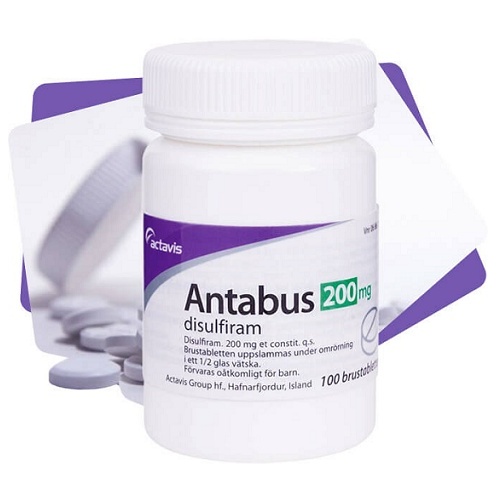
| Name on Prescription | Antabuse |
|---|---|
| Main Compound | Disulfiram |
| Intended Use | Treatment of Alcohol Use Disorder |
| Common Strengths Available | 250 mg, 500 mg tablets |
| How Fast It Starts Working | Within 1–2 hours of the first dose |
| Effect Lasts | Up to 1–2 weeks after stopping (due to lasting enzyme inhibition) |
| How to Take | Once daily, preferably in the morning |
| Needs a Prescription? | Yes, as required by the U.S. Food and Drug Administration (FDA) |
| Typical Price Range (U.S.) | About $50–$120 per month (depends on pharmacy and insurance) |
Antabuse for Alcohol Dependence – What to Know in the United States
Antabuse, with the active ingredient disulfiram, is one of the main medications prescribed to help individuals reduce or stop drinking alcohol. It is legally available in the United States with a doctor’s prescription and is used specifically for those struggling with alcohol dependence or alcohol use disorder. Understanding how it works, who should use it, and what to expect can help you make an informed decision about treatment.
You Are Not Alone: Alcohol Dependence in the United States
Alcohol dependence affects millions of people and is recognized as a widespread health issue in the U.S. According to the National Institute on Alcohol Abuse and Alcoholism (NIAAA), in 2022, over 29 million adults in the United States had alcohol use disorder. This is not a rare or isolated struggle, but a common, medically recognized condition that can be effectively addressed. The U.S. Centers for Disease Control and Prevention (CDC) also highlights that seeking help is a positive and necessary step, not a sign of weakness. Medications like Antabuse are part of a toolkit that can support real change.
How Antabuse Works: The Physiology and What You Will Experience
Disulfiram—the core component of Antabuse—functions by altering the way your body breaks down alcohol. Normally, when you drink, alcohol is converted into acetaldehyde (a toxic byproduct) and then quickly into harmless acetic acid by an enzyme called aldehyde dehydrogenase. Disulfiram blocks this enzyme, causing acetaldehyde to build up if you drink alcohol. This buildup results in unpleasant symptoms such as facial flushing, nausea, vomiting, racing heartbeat, and headache—sometimes called the “Antabuse reaction.”
What this means for you: even a small amount of alcohol while on Antabuse can trigger these strong, aversive effects within minutes to an hour after drinking. The practical result is that most people are discouraged from drinking, supporting abstinence. Importantly, the effect can last for up to two weeks after your last dose, so planning ahead is essential if you are considering stopping Antabuse for any reason.
Is Antabuse Right for Me? Matching Treatment to Real-Life Scenarios
| If this is your situation… | Is Antabuse appropriate? | Reasoning |
|---|---|---|
| You are strongly motivated to stop drinking and have support (family, therapy, or group). | Usually Yes | Antabuse serves as a powerful deterrent, but works best when combined with motivation and support systems. |
| You struggle with impulsive drinking and want a “safety net” to avoid relapse. | Often Yes | The immediate negative reaction discourages unplanned drinking, providing a behavioral barrier. |
| You have significant heart disease, liver failure, or are pregnant. | No | There are medical risks with disulfiram—for example, liver toxicity and cardiac complications—that outweigh benefits. Alternative treatments may be safer. |
| You require medication with less risk of severe side effects or want a less aversive approach. | Possibly Not | Other medications (like naltrexone or acamprosate) may suit you if you prefer a non-aversive method or have medical contraindications. |
| You are unable to commit to avoiding all alcohol-containing products (including some foods and medicines). | Not Recommended | Because accidental exposure to alcohol can trigger reactions, Antabuse is best for those able to monitor intake carefully. |
Discuss your unique health history and circumstances with a healthcare provider before starting any medication for alcohol dependence. This ensures the safest and most effective choice for your needs.
Applying Antabuse in Daily Life: What to Expect and What to Do If Things Don’t Go as Planned
- When to take: Antabuse is typically taken once every morning, with or without food, at the same time each day for best consistency.
- Alcohol must be stopped: You must be fully free of alcohol for at least 12 hours before starting the first dose, and withdrawal symptoms should be managed first if present.
- Alcohol in hidden sources: Many everyday items—cough syrup, mouthwash, sauces—can contain alcohol. Carefully check labels and consult your pharmacist.
- Missed a dose? Take it as soon as you remember, but skip it if it’s almost time for your next scheduled dose. Never double up.
- If you experience no deterrent effect: Some people do not feel the expected aversion to alcohol. This may be due to missing doses, insufficient dose, or individual factors—bring it up with your doctor to review your plan.
- Stopping Antabuse: The effects persist for 7–14 days after your last tablet. Plan ahead if you anticipate social situations or medical procedures involving alcohol (for example, surgery or injections with alcohol-based antiseptics).
- Traveling or unpredictable schedules: Carry a list of alcohol-containing products to avoid. Some people find a daily pill box helpful.
Doctor’s advice: “Antabuse is most effective when combined with counseling or support groups. It’s not a cure but a tool, and communicating openly with your healthcare team about any side effects or difficulties increases your chance of success.”
Who Should Not Take Antabuse? Understanding Contraindications
Several health conditions make Antabuse unsafe. It’s not prescribed for individuals with:
- Liver disease: Because disulfiram can be toxic to the liver, anyone with active hepatitis, cirrhosis, or significantly abnormal liver function should avoid it.
- Severe heart disease: The medication can stress the heart during a reaction, so it’s contraindicated in those with coronary artery disease, heart failure, or recent heart attacks.
- Pregnancy and breastfeeding: Disulfiram is not recommended due to potential risk to the fetus or infant.
- Psychiatric conditions: If you have a history of psychosis or severe depression, Antabuse may worsen symptoms.
- Hypersensitivity: Allergy to disulfiram or thiuram derivatives (found in some pesticides and rubber products) is a contraindication.
Always share your complete medical history with your doctor before starting Antabuse. If you develop symptoms such as yellowing of the skin or eyes, persistent dark urine, or confusion, stop the medication and contact your physician promptly.
Possible Side Effects: What’s Normal, What’s Not, and When to Seek Help
- Common and usually mild (often resolve as your body adjusts):
- Drowsiness or tiredness
- Metallic or garlic-like taste in the mouth
- Mild skin rash
- Headache
- Uncommon but need attention:
- Visual changes or blurred vision
- Numbness or tingling in hands or feet
- Mood swings or confusion
- Rare but potentially serious (seek medical help right away):
- Severe abdominal pain
- Jaundice (yellowing of skin or eyes)
- Severe allergic reaction: swelling of face, difficulty breathing
- Collapse, chest pain, or irregular heartbeat—especially after consuming alcohol
If you or someone you know experiences trouble breathing, loss of consciousness, or chest pain after taking Antabuse (particularly after alcohol exposure), call 911 immediately. The U.S. Poison Help line (1-800-222-1222) can also provide emergency advice in case of overdose or severe reaction.
Antabuse and Other Medications: Drug Interactions Explained
Disulfiram can interact with several medications and substances:
- Alcohol-containing products: Any ingestion can trigger severe adverse reactions—including in medicines, foods, or topical solutions.
- Metronidazole (antibiotic): Using this with Antabuse may cause confusion, psychosis, or movement disorders; the combination should be strictly avoided.
- Phenytoin (for seizures): Disulfiram can raise phenytoin levels, increasing side effect risk—doses may need adjustment.
- Warfarin (blood thinner): Can increase bleeding risk as Antabuse slows warfarin breakdown.
- Caffeine and theophylline: These drugs may linger longer in your system, so monitor for excessive stimulation or side effects.
Be sure to inform your healthcare provider and pharmacist about all medicines and supplements you take. If you are prescribed new medications, always ask whether they are compatible with Antabuse.
Comparing Antabuse and Other Alcohol Dependence Medications
| Medication | How it works | Best suited for | Limitations |
|---|---|---|---|
| Antabuse (Disulfiram) | Creates an immediate negative reaction to alcohol by blocking its breakdown. | Those seeking a strong deterrent; people with high motivation and support. | Not suitable for some medical conditions; requires total avoidance of alcohol. |
| Naltrexone | Reduces the pleasurable effects of alcohol, decreasing desire and relapse. | Those wanting to reduce drinking, not just stop; fewer medical restrictions. | May not work for everyone; requires ongoing motivation. |
| Acamprosate | Helps restore brain balance after stopping alcohol, reducing cravings. | People who have already stopped drinking and want to maintain abstinence. | Requires taking pills 3 times daily; not suitable if significant kidney disease. |
Each medication addresses alcohol dependence differently. Antabuse is not always the best choice—for example, if you have certain medical conditions, prefer harm reduction, or find daily pill-taking difficult, alternatives may be preferable. Discussing the options with your doctor enables a tailored, safe plan.
How Much Does Antabuse Actually Cost in the U.S.? Full Cost Breakdown
| Cost Item | Amount | Note |
|---|---|---|
| Initial doctor consultation | $75–$250 | Range covers in-person or telemedicine visits; insurance may lower cost |
| Prescription fee (if not included) | $0–$25 | Some pharmacies charge a small fee if a separate prescription is needed |
| Antabuse (generic disulfiram) tablets | $50–$120 per month | Price depends on pharmacy, location, and insurance coverage |
| Delivery (optional, for online/telehealth) | $0–$15 | Many pharmacies offer free delivery; express delivery may cost more |
| Total | $125–$410 (first month) $50–$120 (subsequent months) |
First month includes consultation; ongoing months medication only |
Some insurance plans or discount programs may reduce your costs. Both local and online pharmacies in the United States dispense Antabuse with a valid prescription; some telehealth providers also offer online evaluation and delivery. Note that federal law requires a prescription, but some online sources may offer it without one—this carries medical and legal risks.
What If I Have More Questions?
Many people still have practical questions—like whether they can start Antabuse while tapering off alcohol, or how soon after stopping the medication it is safe to drink again. The answer: you must be sober (not in withdrawal) to begin, and because the effects persist long after the last dose, consult your doctor before considering drinking again—unexpected reactions can occur up to two weeks later. If you’re uncertain about any step, your healthcare provider or pharmacist is your resource for safe, personalized advice.