
When a wound refuses to heal, it’s more than just a medical concern. It’s a daily reminder that something isn’t right. Whether it’s a diabetic ulcer, a surgical wound complication, or a pressure sore that lingers for weeks, non-healing wounds affect approximately 6.5 million people annually in the United States alone. Understanding how to treat wounds that won’t heal is crucial for preventing serious complications and restoring your quality of life.
What Makes a Wound Chronic?
A wound becomes classified as chronic when it fails to progress through the normal stages of healing within the expected timeframe, typically four to six weeks. Unlike acute wounds that respond well to standard care, chronic wounds remain stuck in one phase of healing, often the inflammatory stage. This prolonged healing process creates a cascade of complications that can affect your mobility, independence, and overall wellbeing.
The statistics surrounding untreated chronic wounds are sobering. Approximately 30 percent of untreated chronic wounds result in amputation, with a five-year post-amputation mortality rate reaching 50 percent. These numbers underscore the critical importance of seeking specialized care when a wound refuses to heal.
Understanding the Root Causes
Before learning how to treat wounds that won’t heal, it’s essential to understand why they occur. Multiple factors can interfere with the healing process:
Vascular Issues: Poor circulation prevents adequate blood flow to the wound site, depriving tissues of oxygen and nutrients necessary for repair.
Diabetes: Elevated blood sugar levels impair immune function and damage blood vessels, creating an environment where wounds struggle to close.
Infection: Bacterial colonization or biofilm formation keeps wounds in a perpetual state of inflammation.
Pressure: Constant pressure on vulnerable areas restricts blood flow and damages tissue, particularly in individuals with limited mobility.
Age and Nutrition: Older adults and those with nutritional deficiencies often experience delayed healing due to reduced cellular regeneration and protein availability.
Comprehensive Treatment Approaches
Successfully treating chronic wounds requires a multifaceted approach that addresses both the wound itself and underlying health conditions.
Advanced Wound Care Techniques
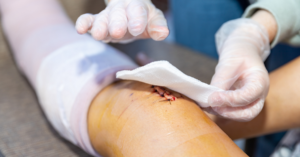
Modern wound care has evolved far beyond simple bandages and antiseptics. At Angeles Wound Care Institute, we utilize state-of-the-art treatments including:
Debridement: Removing dead or infected tissue creates a clean wound bed that promotes healthy tissue growth. This can be accomplished through surgical, enzymatic, or biological methods depending on the wound’s condition.
Specialized Dressings: Advanced wound dressings maintain optimal moisture levels, protect against infection, and promote cellular activity. Options include hydrogels, foam dressings, alginate dressings, and bioengineered skin substitutes.
Negative Pressure Wound Therapy: This technique uses controlled suction to remove excess fluid, reduce swelling, and stimulate tissue growth.
Hyperbaric Oxygen Therapy: For certain wound types, increasing oxygen delivery to tissues can dramatically accelerate healing and fight infection.
Addressing Underlying Conditions
No wound treatment succeeds without managing the factors preventing healing. This includes:
- Controlling blood sugar levels in diabetic patients
- Improving circulation through vascular interventions
- Optimizing nutrition with adequate protein, vitamins C and D, and zinc
- Managing pressure with specialized support surfaces and positioning techniques
- Treating infection with appropriate antibiotics or antimicrobial therapies
The Role of Specialized Wound Care
Professional wound care services provide comprehensive evaluation and treatment that goes beyond what’s possible at home or in a general medical setting. Dr. Adam Angeles and his team at Angeles Wound Care Institute bring over twenty years of experience in advanced wound healing techniques to patients throughout the Pacific Northwest.
Specialized wound care involves thorough assessment using advanced diagnostic tools to identify why healing isn’t occurring. This might include vascular studies, bacterial cultures, or tissue biopsies. Based on these findings, a personalized treatment plan addresses both local wound care and systemic factors affecting healing.
When to Seek Expert Help
Don’t wait to get help if you notice these warning signs:
- A wound that hasn’t shown improvement after two weeks of home care
- Increasing pain, redness, or swelling around the wound
- Foul odor or unusual discharge
- Fever or signs of systemic infection
- Wounds with exposed tendon, bone, or muscle
- Any wound in a diabetic patient that isn’t healing normally
Early intervention dramatically improves outcomes. The longer a wound remains open, the greater the risk of infection, the more extensive tissue damage becomes, and the more complex treatment needs to be.
Living with a Chronic Wound
While undergoing treatment, protecting your wound and supporting your body’s healing process is essential. This means following your wound care specialist’s instructions precisely, keeping follow-up appointments, maintaining good nutrition, managing chronic conditions, and staying mobile within recommended limits.
Remember that healing takes time, especially with chronic wounds. Patience and consistency with treatment protocols make the difference between success and ongoing complications.
Your Path Forward
Learning how to treat wounds that won’t heal begins with understanding that you don’t have to face this challenge alone. Professional wound care specialists have the expertise, technology, and comprehensive approach necessary to address even the most stubborn wounds.
At Angeles Wound Care Institute, we’re committed to helping patients throughout Oregon achieve complete healing and return to active, fulfilling lives. Our personalized treatment plans, advanced therapies, and compassionate care team provide the support you need during your healing journey.
Ready to start your path to healing? Contact us today to schedule a consultation and discover how specialized wound care can make all the difference in your recovery.