
Types of Chronic Wounds and How They Affect Healing
A wound that does not heal can quietly disrupt daily life. What starts as a small sore or incision may linger for weeks or months, becoming painful, limiting mobility, and increasing the risk of infection. These are known as chronic wounds, and they require more than basic at-home care. Understanding the different types of chronic wounds and knowing when to seek specialized treatment can make a critical difference in healing outcomes.
At the Angeles Wound Care Institute (AWCI) in Bend, Oregon, Dr. Adam Angeles and his team focus on advanced, evidence-based wound care for patients dealing with non-healing wounds. Their approach goes beyond surface treatment by addressing the underlying causes that prevent wounds from closing and restoring healthy tissue.
What Makes a Wound Chronic
A wound is generally considered chronic when it does not show meaningful signs of healing within four to six weeks. Instead of progressing through the normal stages of healing, chronic wounds stall due to factors like poor circulation, pressure, infection, diabetes, or prior radiation therapy.
Chronic wounds are a growing public health issue in the United States and worldwide. In fact, recent epidemiologic research shows that chronic wounds affect about 2% of the U.S. population, with prevalence rising sharply among older adults and those with underlying conditions such as diabetes, venous disease, or pressure injuries.
Diabetic Foot Ulcers
Diabetic foot ulcers are among the most serious and common chronic wounds. Diabetes impairs circulation and nerve function, which makes it easier for minor injuries to go unnoticed and much harder for wounds to heal properly. Even a small blister or cut can progress into a deep ulcer if left untreated.
According to a recent study, between 19 and 34 percent of people with diabetes will develop a foot ulcer during their lifetime. These ulcers carry a high risk of infection and amputation without specialized care. Early referral to a wound care specialist improves outcomes by combining offloading, infection control, circulation assessment, and advanced wound therapies.
Pressure Injuries
Pressure injuries, sometimes called bedsores, occur when prolonged pressure cuts off blood supply to the skin and underlying tissue. They often affect individuals with limited mobility, including older adults and patients recovering from surgery or illness.
These wounds can progress quickly from skin redness to deep tissue damage involving muscle or bone. Once pressure injuries reach advanced stages, healing becomes complex and slow. A wound care specialist evaluates pressure distribution, nutritional status, skin condition, and support surfaces to prevent worsening and promote recovery.
Venous Leg Ulcers
Venous leg ulcers develop when damaged veins fail to return blood effectively from the legs to the heart. This causes fluid buildup, swelling, and skin breakdown, typically around the ankles.
These ulcers are often recurrent and can persist for months or years without specialized treatment. Management requires more than topical care. Compression therapy, skin protection, infection management, and long-term vein health strategies are essential components of healing. Wound care specialists tailor these treatments to each patient’s circulation and mobility level.
Arterial Ulcers
Arterial ulcers result from poor blood flow caused by narrowed or blocked arteries. Unlike venous ulcers, these wounds are often painful, especially at rest, and commonly appear on the toes, heels, or outer edges of the foot.
Because arterial ulcers signal serious vascular disease, they require prompt evaluation. A wound care specialist works closely with vascular assessments to ensure adequate blood flow before advanced wound treatments are applied. Ignoring arterial ulcers can lead to tissue death and limb-threatening complications.
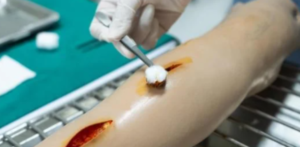
Radiation-Related Wounds
Radiation therapy can damage healthy tissue while treating cancer, leading to wounds that may appear months or even years after treatment ends. Radiation wounds are particularly challenging because the skin and underlying tissue have reduced blood supply and diminished healing capacity.
Specialized wound care is critical in these cases. Treatment focuses on restoring tissue health, preventing infection, and supporting regeneration using advanced therapies not typically available in general clinical settings.
When to See a Wound Care Specialist
You should consider seeing a wound care specialist if a wound has not improved after several weeks, shows signs of infection, causes increasing pain, or interferes with daily activities. Other warning signs include drainage, odor, skin discoloration, or repeated reopening after partial healing.
Early intervention leads to better outcomes. A comprehensive Ostomy Wound Care: Better Healing Begins with Expert Skin Management evaluation identifies the factors delaying healing and allows treatment to begin before complications escalate.
Comprehensive Care at Angeles Wound Care Institute
At AWCI, every care plan begins with a thorough assessment. The team evaluates wound depth, tissue quality, circulation, infection risk, and overall health conditions that influence healing. This individualized approach allows clinicians to select therapies that address both the wound and its root cause.
Treatment may include advanced dressings, biologic skin substitutes, pressure offloading, infection control, and coordination with other medical specialists when needed. The goal is consistent progress toward healing, not temporary improvement.
Take the Next Step Toward Healing
Chronic wounds do not heal on their own, and waiting too long can lead to serious complications. With expert care, many chronic wounds that have stalled for months can begin healing again.
If you or someone you care for is dealing with a non-healing wound, specialized treatment can make a measurable difference. Learn more when you click here about advanced wound care at the Angeles Wound Care Institute by visiting. To schedule an evaluation or speak directly with the care team, contact us today. The right care, at the right time, helps restore comfort, mobility, and confidence.