
Living with a wound that does not heal the way it should can limit your mobility, interrupt your routines, and create daily stress. Whether you are recovering from surgery, managing diabetes, healing from trauma, or dealing with radiation-related skin damage, a slow-healing wound is not something to ignore.
Research shows that around 1 to 2 percent of people in developed countries will experience a chronic wound during their lifetime. At the Angeles Wound Care Institute in Bend, Oregon, Dr. Adam Angeles draws on more than 25 years of experience. Our team provides advanced wound care solutions designed to speed healing, prevent infection, and restore comfort.
Below are five key wound care solutions and why choosing a dedicated wound care clinic can make such an important difference in your recovery.
1. Advanced Treatment Helps You Heal Faster
Healing is not just about covering a wound. Blood flow, moisture balance, tissue health, and bacterial burden all play a role in how quickly a wound closes. Advanced wound care solutions are designed to address each of these factors.
At AWCI, patients may receive debridement to remove dead tissue, moisture-balanced dressings, edema control, and technologies such as negative pressure wound therapy. These therapies create a more favorable environment for new tissue growth.
In a same study from above, it has been shown that 58.9 percent of 365,659 chronic wounds healed within twelve weeks when treated and monitored in a structured wound care setting. This kind of data supports the idea that consistent, specialized care can significantly improve healing outcomes compared to routine or unsupervised care.
2. You Receive a Personalized Treatment Plan for Your Specific Wound
No two wounds are exactly alike. A diabetic foot ulcer behaves differently than a surgical incision. A pressure injury is not the same as a radiation wound.
At AWCI, each patient undergoes a detailed evaluation that looks at circulation, tissue condition, wound depth and location, medical history, and underlying conditions such as diabetes or vascular disease. Based on this information, Dr. Angeles develops a customized plan that matches your wound type and overall health.
Personalized wound care solutions help avoid trial-and-error approaches and give your body the specific support it needs to heal as efficiently and safely as possible, as explained in 6 Benefits of Visiting a Wound Care Clinic: Don’t Let Pain Rule Your Life.
3. You Lower Your Risk of Infection and Serious Complications
Infection is one of the most common reasons wounds stop healing or suddenly worsen. Once bacteria become established, they can form structured communities called biofilms that are difficult to remove and can significantly slow repair.
A recent clinical review from MDPI found that biofilms are implicated in up to 60 percent of chronic wounds. That means more than half of chronic wounds may be dealing with a hidden layer of microbial activity that standard home care is not equipped to address. At AWCI, our clinicians use sterile technique, advanced wound cleansing strategies, and appropriate antimicrobial dressings. This helps protect you from deep infection, hospitalization, and long-term tissue damage.
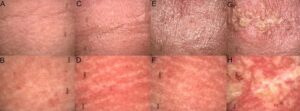
4. Chronic and Hard-to-Heal Wounds Are Treated with a Whole-Patient Approach
Many chronic wounds are a symptom of a larger medical picture. Diabetes, peripheral artery disease, neuropathy, immune disorders, and prior radiation can all slow the healing process. If those underlying problems remain unmanaged, the wound may linger for months.
5. You Improve Your Comfort, Mobility, and Quality of Life
A chronic wound does more than affect your skin. It can cause persistent pain, limit your ability to walk or stand, disturb your sleep, and impact your emotional well-being.
Many patients cut back on work, social activities, and hobbies because they are afraid of making the wound worse. At AWCI, the goal is not only to close the wound, but also to help you move, sleep, and live with greater comfort and peace of mind.
When to Seek Professional Wound Care Solutions
You should consider seeing a wound care specialist if:
- Your wound has not improved after four weeks
- You notice redness, warmth, swelling, or a new odor
- There is increasing pain or drainage
- You have diabetes or circulation problems
Early evaluation can prevent more serious complications and shorten your overall healing time.
Take the Next Step Toward Healing
You don’t have to live with a wound that refuses to heal. It’s important to understand when you should see a wound specialist too. Dr. Adam Angeles and the team at Angeles Wound Care Institute provide advanced, evidence-based wound care solutions for patients throughout Central and Eastern Oregon, including Bend, John Day, Klamath Falls, and Pendleton.
If your wound is not healing the way it should, now is the time to reach out. Contact us today to schedule a consultation. Learn how personalized wound care solutions can help you heal more completely and regain your quality of life.